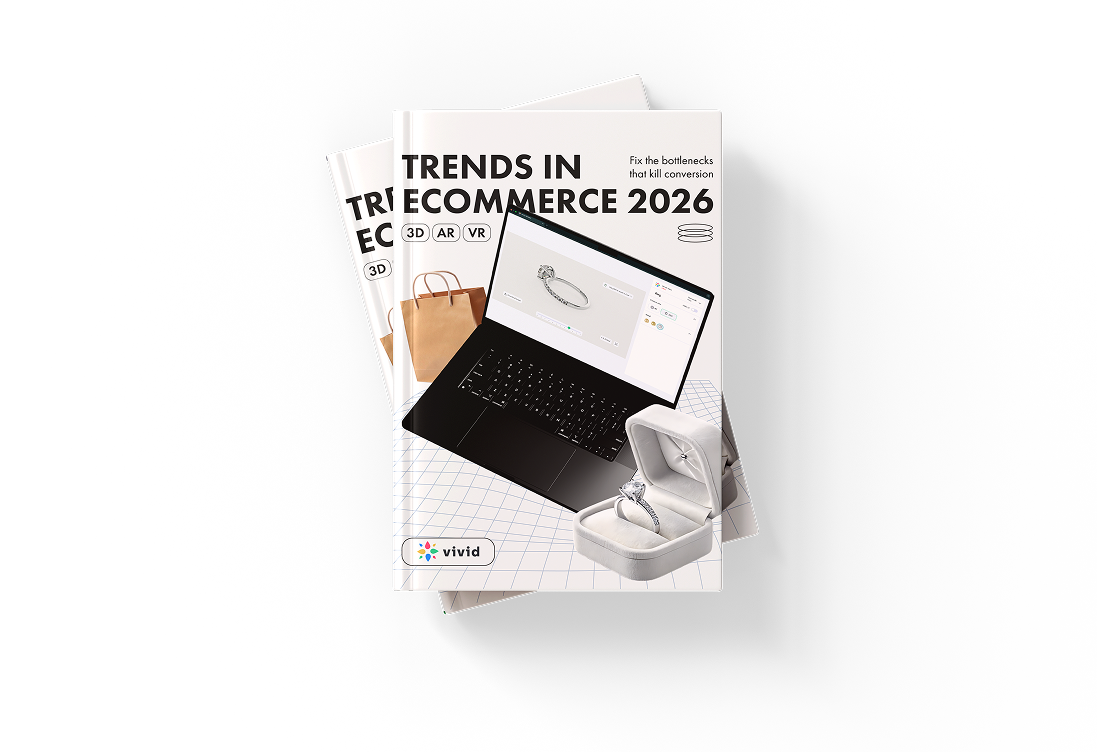
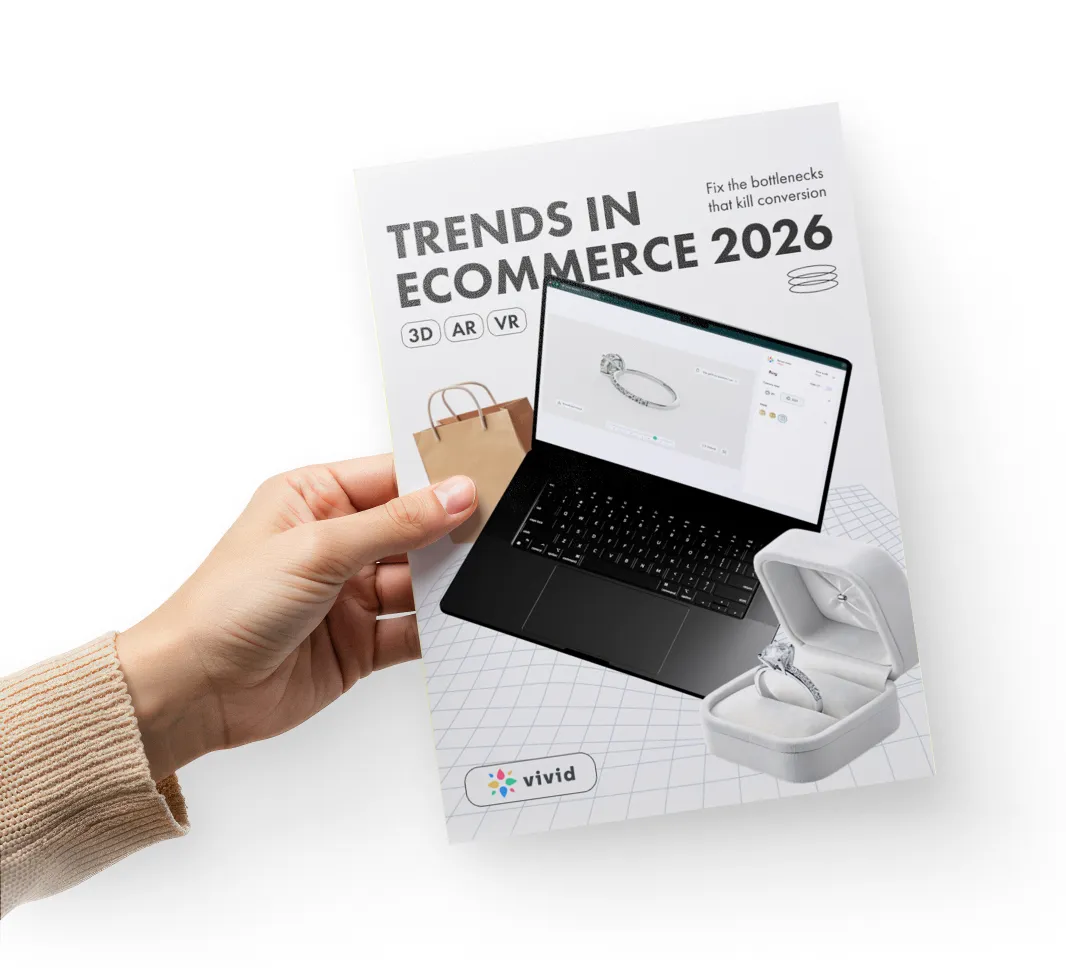
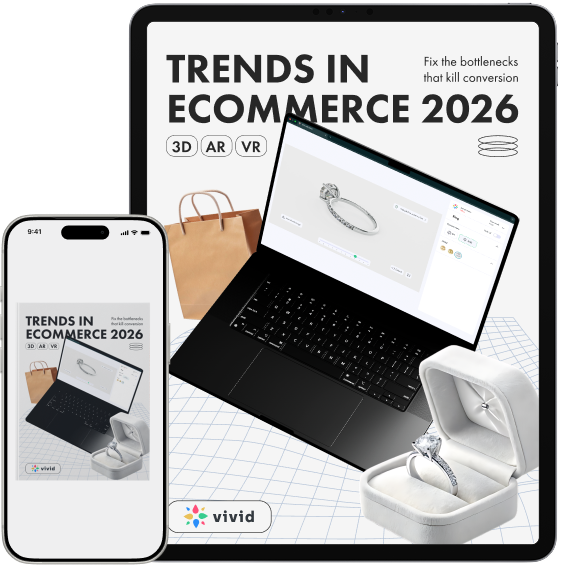
Trends in eCommerce 2026
Fix the bottlenecks that kill conversion
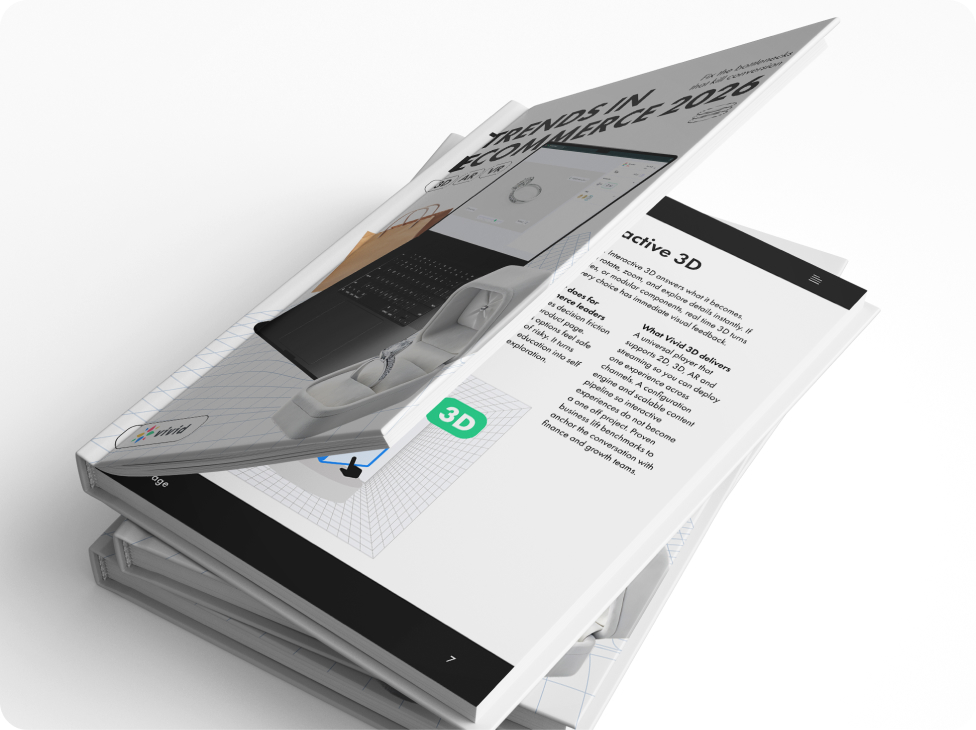
A free executive playbook for eCommerce CEOs
and digital commerce leaders
and digital commerce leaders
Based on 43 reviews
Based on 43 reviews
Trusted by leading commerce teams







Upgrade your digital experience
with the Power of 3D and AI

AI Training
Generate synthetic data, create realistic scenarios, and accelerate model training with safe, diverse environments.

E-commerce & Retail
Create customizable 3D product visuals and interactive configurators, helping brands showcase items online with stunning realism.

Gaming & Entertainment
Generate production-ready 3D assets, environments, and simulations to accelerate game development and deliver immersive player experiences.

Film & Animation
Speed up content pipelines with AI-generated assets and simulations, reducing production time while keeping cinematic quality.

Manufacturing & Product Design
Transform ideas into 3D prototypes, explore variations with configurators, and generate datasets for training and testing.

Architecture & Real Estate
Bring spaces to life with 3D models, walkthroughs, and simulations, making property visualization more engaging and client-friendly.

Education & Training
Build interactive learning environments, realistic simulations, and datasets for research and skill development.

AR / VR & Metaverse
Fill virtual worlds with scalable 3D assets, lifelike simulations, and optimized renders — powering the next generation of immersive experiences.
2026 signals CEOs cannot ignore
91
%
of U.S. adults own a
smartphone
smartphone
76
%
of all mobile data traffic is video (end of 2025)
70
%
of U.S. adults own a
smartphone
smartphone
$849B
In retail returns projected for 2025
This playbook shows how top teams remove doubt
and scale visual content without turning 3D into a
one-off project.
Download the free PDFand scale visual content without turning 3D into a
one-off project.
Why this playbook exists
A few years ago, most conversations about 3D were about novelty. Today, it is about commerce. Shoppers decide
with their eyes long before they read specs, and the pressure is not easing: abandonment stays structurally high and
returns keep eating margin.
with their eyes long before they read specs, and the pressure is not easing: abandonment stays structurally high and
returns keep eating margin.
Who this is for?
Designed for leaders responsible for conversion, returns, and content velocity:
Digital Experience, CX, and B2B eCommerce leaders
Heads of Product Content, Creative Ops, and Merchandising
VP Digital Commerce and Growth
eCommerce CEOs and GMs
Industries that will get value immediately
Best fit for high-consideration and configurable categories where mistakes are expensive:
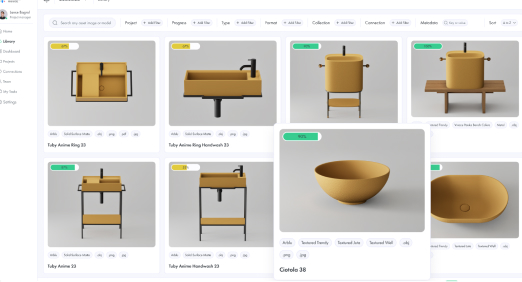
Furniture and home
Appliances and kitchen
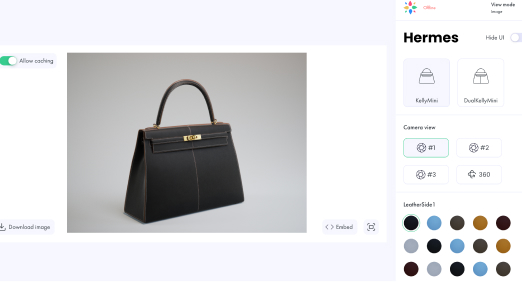
Apparel, footwear, and accessories
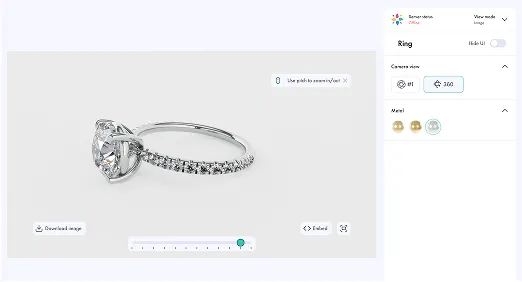
Jewelry and luxury
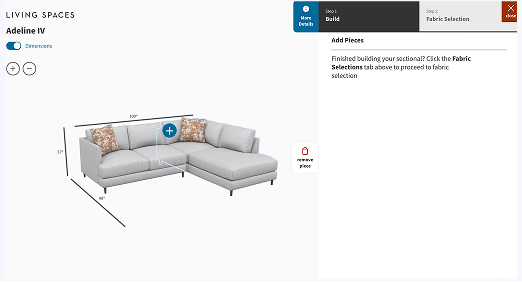
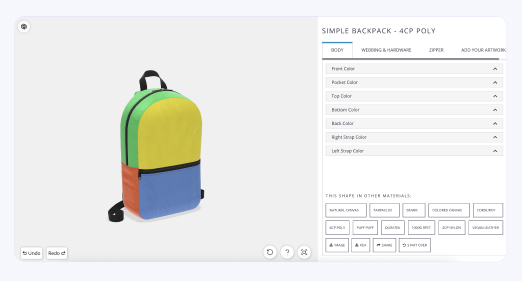
Home improvement, building products, and modular systems
Automotive aftermarket and parts catalogs
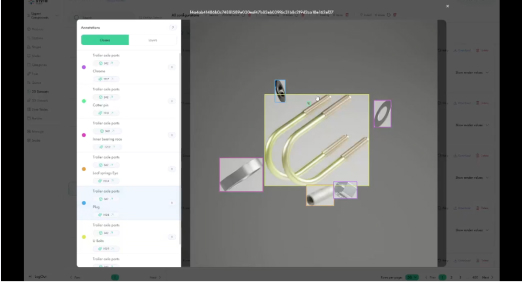
Industrial equipment and B2B configured products
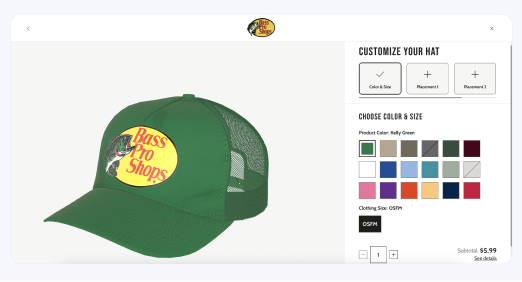
Outdoor, sporting goods, and gear with fit and compatibility questions
What you will learn inside
A fast read, built for execs.
Why 2026 winners remove doubt, not add features
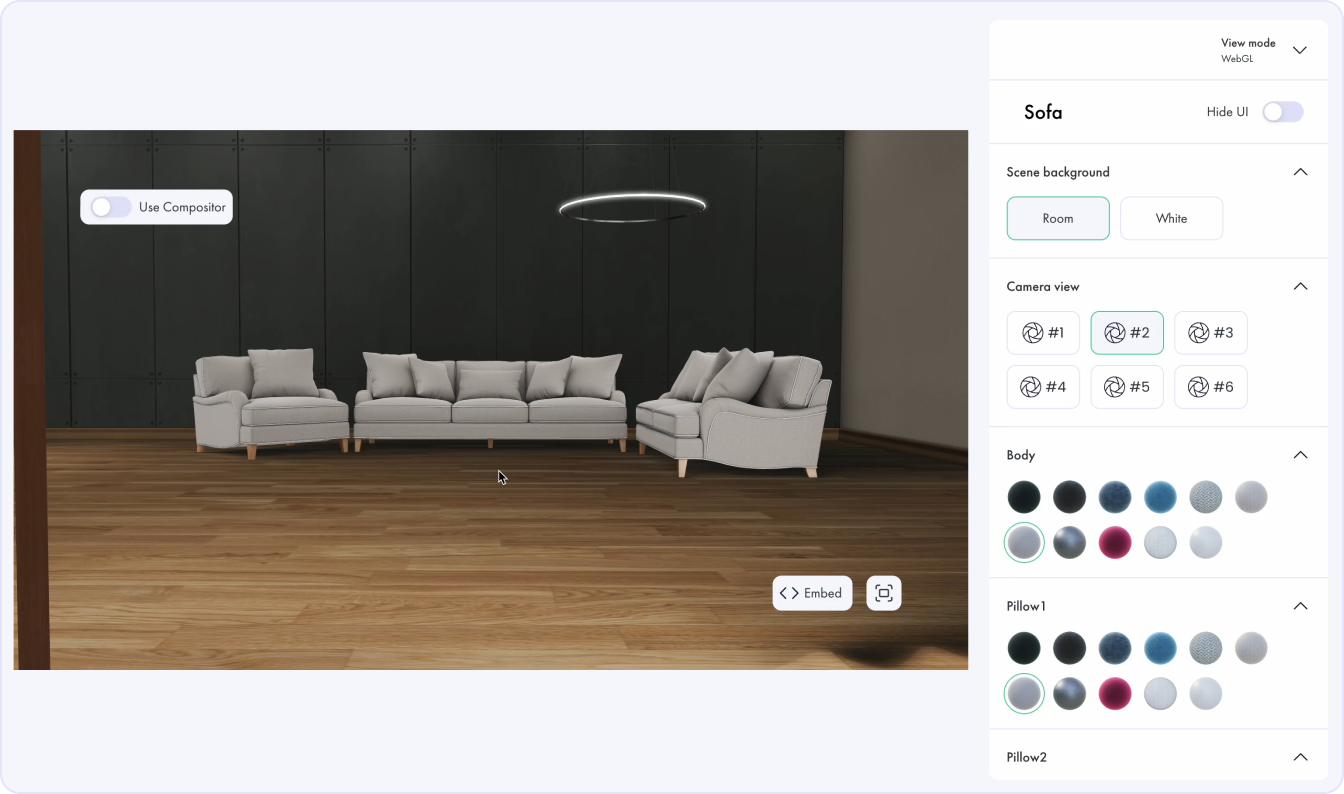
Real time interactive 3D as a decision tool on the PDP
AR as the final proof step that reduces regret purchases
The confidence stack: clarity, inspect, configure, prove
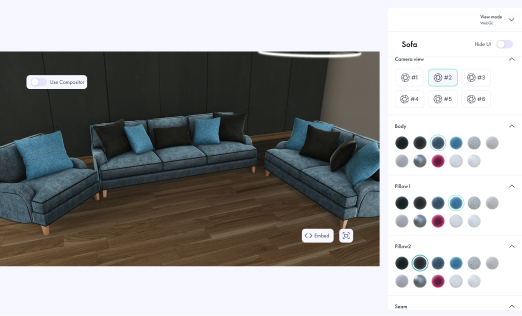
The configuration lead magnet: configure, save, email proof, return and buy
How to scale like a visual data system with one asset foundation, workflows, and reuse
Proof that visuals move metrics
Best fit for high-consideration and configurable categories where mistakes are expensive:
Shopify reports merchants using 3D commerce see an average 94% increase in conversions (Shopify)

Shopify case study:
40% increase in order conversion and 5% reduction in return rate after launching 3D and AR

Deloitte research:
1 in 5 consumers interested in personalization are willing to pay 20% more

Salesforce research:
57% have stopped buying from a company because a competitor provided a better experience
Get the free executive playbook
Enter your email to access the PDF instantly.
Thank you! Your submission has been received!
Oops! Something went wrong while submitting the form.
FAQ
Is the “Trends in eCommerce 2026” playbook really free?
Yes. The PDF is free to download.
What is this, really? A trends report or a conversion playbook?
It is a playbook built for executives. The core idea is simple: in 2026, winners remove doubt instead of adding features. You will get frameworks that help you reduce hesitation on the PDP, lower preventable returns, and stop content operations from becoming the growth bottleneck.
Who is it for?
If you own growth outcomes, you are the audience. That includes eCommerce CEOs and GMs, VPs of Digital Commerce and Growth, and leaders in merchandising, CX, and creative ops. It is also built for the people who have to make the stack work in real life, like commerce platform owners, solution architects, and PIM or DAM leaders.
Geographically, the examples and language fit how commerce teams operate in North America, the UK and Europe, the Middle East, and APAC because the problems are universal: abandonment is high, returns hurt margin, and visual content never ships fast enough.
Geographically, the examples and language fit how commerce teams operate in North America, the UK and Europe, the Middle East, and APAC because the problems are universal: abandonment is high, returns hurt margin, and visual content never ships fast enough.
What will I get when I download it?
A downloadable PDF with executive-ready takeaways, diagrams, and practical frameworks. It is designed to be skimmed fast and then reused as a plan when you are ready to implement.
What problems does it help solve?
It focuses on the bottlenecks that quietly kill conversion: shoppers cannot predict what they will receive, teams cannot keep content consistent across channels, and visual production becomes too slow and too expensive to scale. The playbook shows how interactive product experiences turn visuals into decision tools.
Which industries will get value immediately?
If the cost of a mistake is high, this playbook is for your category. Think furniture, home, and appliances where fit and scale drive returns. Think jewelry and luxury where the buyer needs certainty that the final build is exact. Think apparel and footwear where materials and details trigger hesitation. Think building products, modular systems, and automotive aftermarket catalogs where compatibility questions create abandonment and support tickets. Think industrial and B2B configured products where multiple stakeholders need a shared visual truth before anyone approves a quote.
Does it cover interactive 3D for eCommerce product pages?
Yes. It explains why static images show what a product looks like, but interactive 3D shows what it becomes, especially when options, upgrades, and modular components create complexity. It ties that directly to decision friction on the PDP.
Does it cover AR, and why it matters for returns?
Yes. It frames AR as the last proof step that answers the question blocking checkout: will this work in my space, with my setup, at true scale. For categories where size, fit, and spatial confidence drive returns, AR is positioned as a practical risk reducer, not a gimmick.
Do we have to replace our product photos and videos?
No. The playbook is clear that you keep your best photos and videos as the first impression. You add interactive 3D when shoppers need proof, like inspecting details, comparing options, or confirming the exact version they are about to buy.
What is the “confidence stack” and why should an executive care?
It is a simple PDP operating model: show clearly, let shoppers inspect, enable configuration when choice is complex, and add AR when fit and scale drive hesitation. Executives care because it is a repeatable approach that improves conversion without turning 3D into a one-off experiment.
What is the “configuration lead magnet”?
It is how you capture high intent before it disappears. A shopper builds their ideal configuration, leaves, and you lose the work. The playbook shows how saving that exact build and sending a proof email brings shoppers back with less doubt and higher intent.
Will this help B2B eCommerce and complex buying committees?
Yes. There is a dedicated section on B2B where the goal is not wow factor. The goal is removing risk when decisions are shared and mistakes are expensive. The playbook explains how one shared configuration becomes quote-ready and approval-ready so stakeholders can align faster.
How does this distinguish Vivid 3D from other 3D configurator tools?
Most alternatives are strong at one layer, like a viewer, a configurator front end, or content production. The playbook’s argument is that the real bottleneck is content operations, not the viewer. Vivid 3D is built as a create, manage, deploy system with a governed asset foundation, workflows and approvals, high-speed outputs, and a universal publishing layer for 2D, 3D, AR, and streaming. That is how you scale beyond a pilot without restarting production every season.
Does the playbook go beyond commerce into AI and visual data?
Yes. It includes a section on turning 3D assets into visual data for computer vision and synthetic datasets, especially when real-world data is slow, biased, or blocked by privacy constraints.
What happens after I enter my email?
You get instant access to the PDF or the executive summary. The landing page promise stays simple: no spam and unsubscribe anytime.
I want the strategy, but I also want help implementing. What is the next step?
Download the playbook for the frameworks. If you want to see how the system works in practice for your category and catalog, request a demo of Vivid 3D.
Need training data
or visual data at scale?
or visual data at scale?