Diego Santos
Technical blogger
How Synthetic Data Fits Into a Broader Visual Data Platform
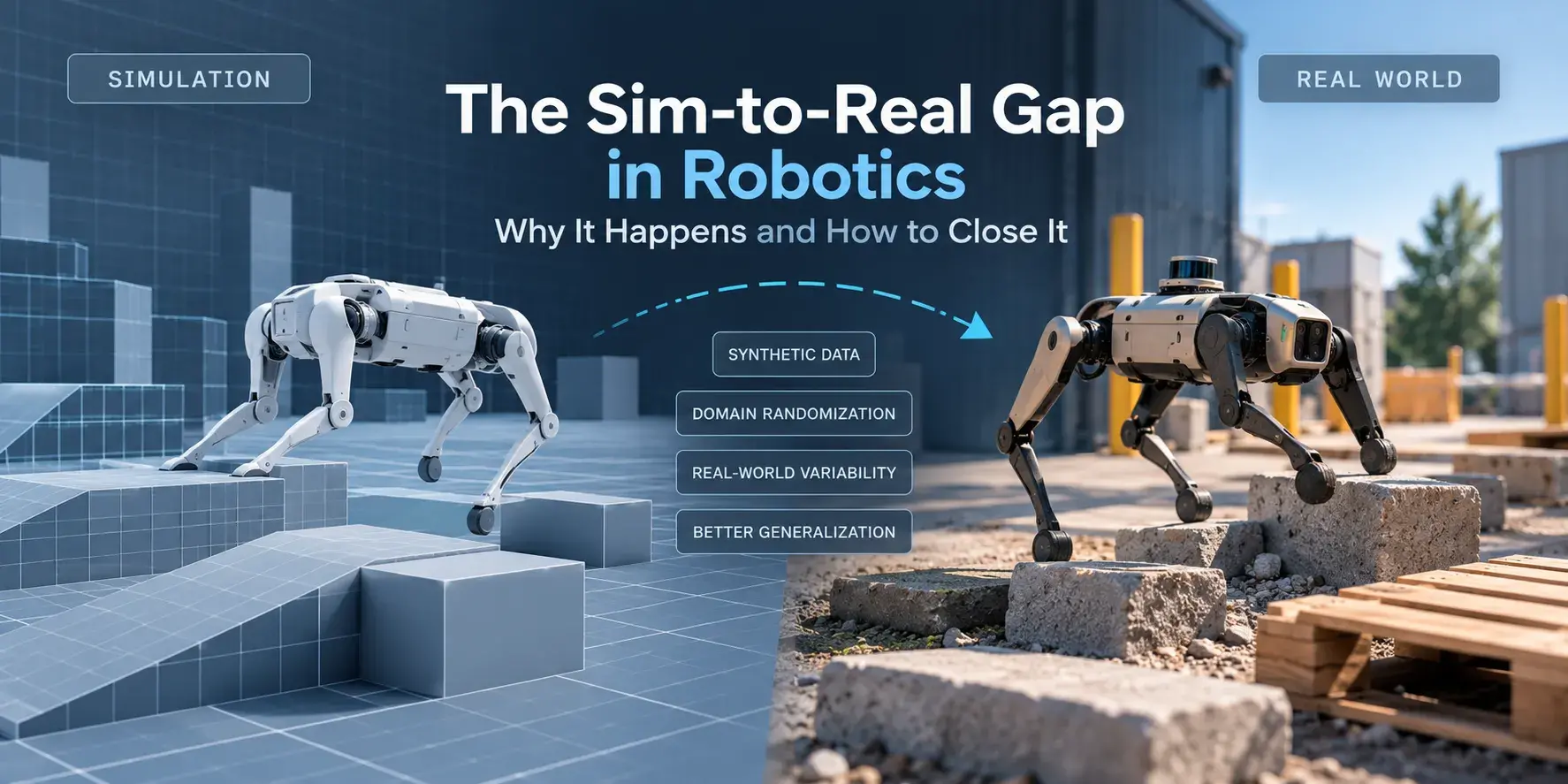
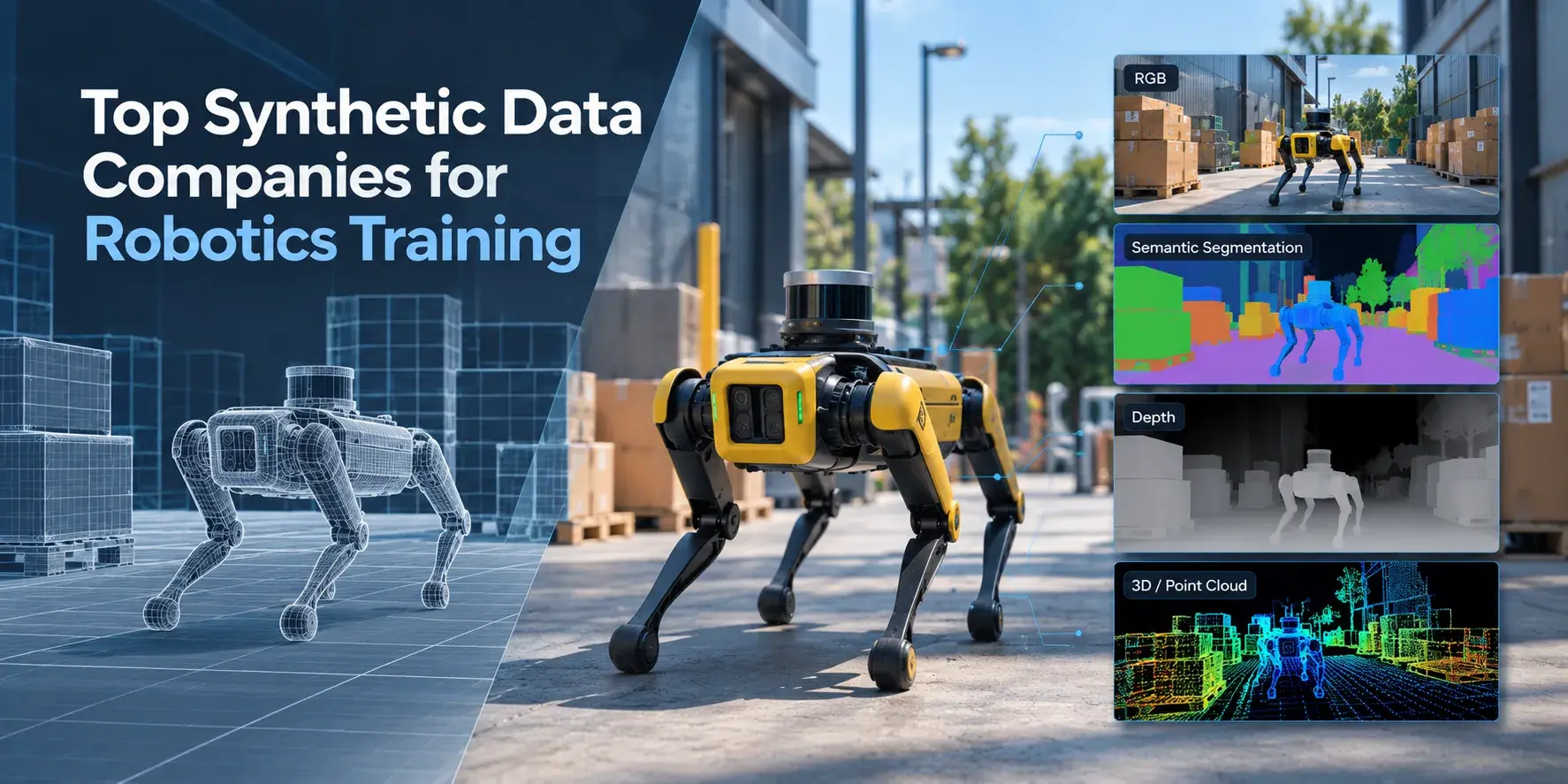
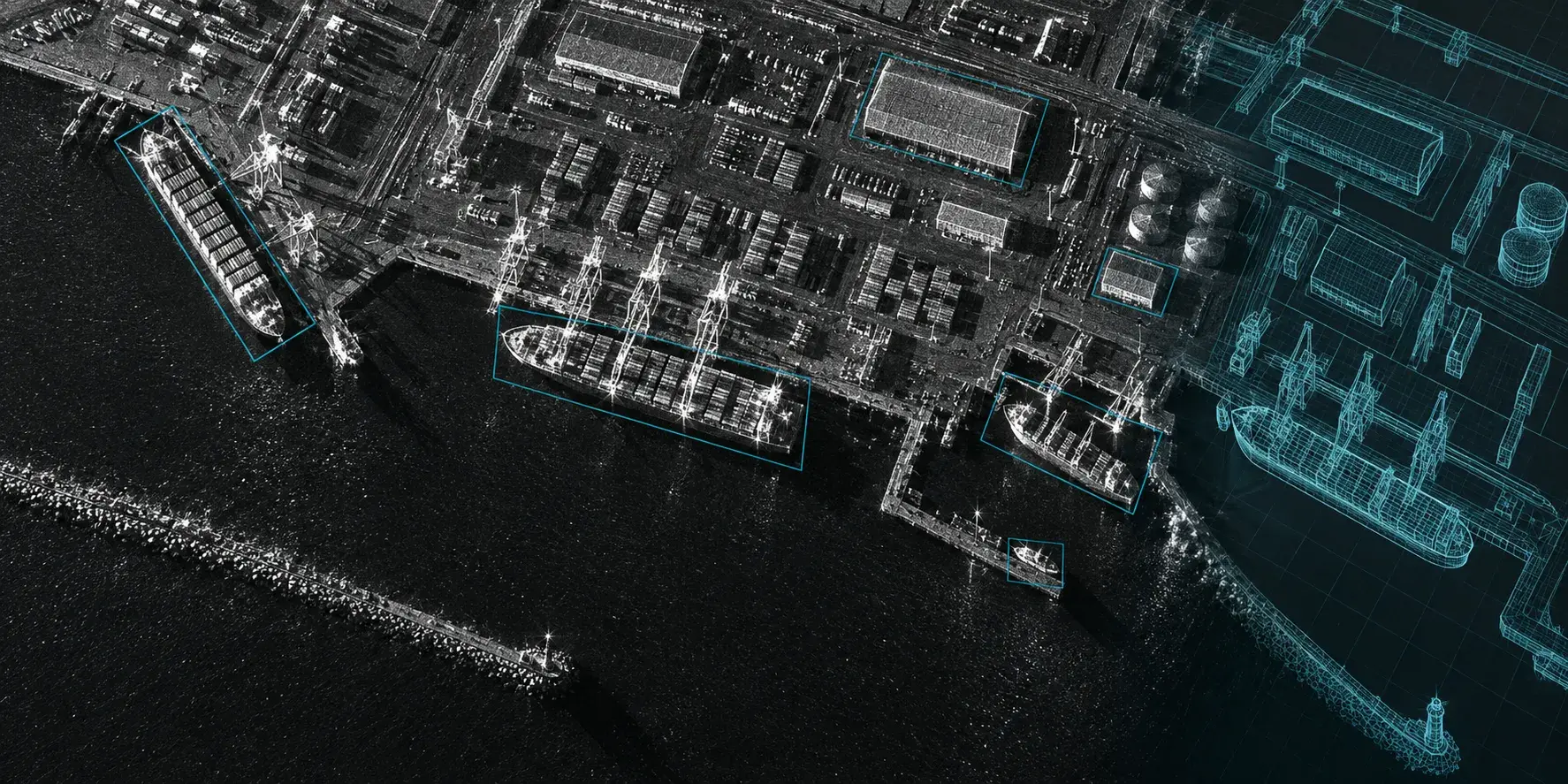
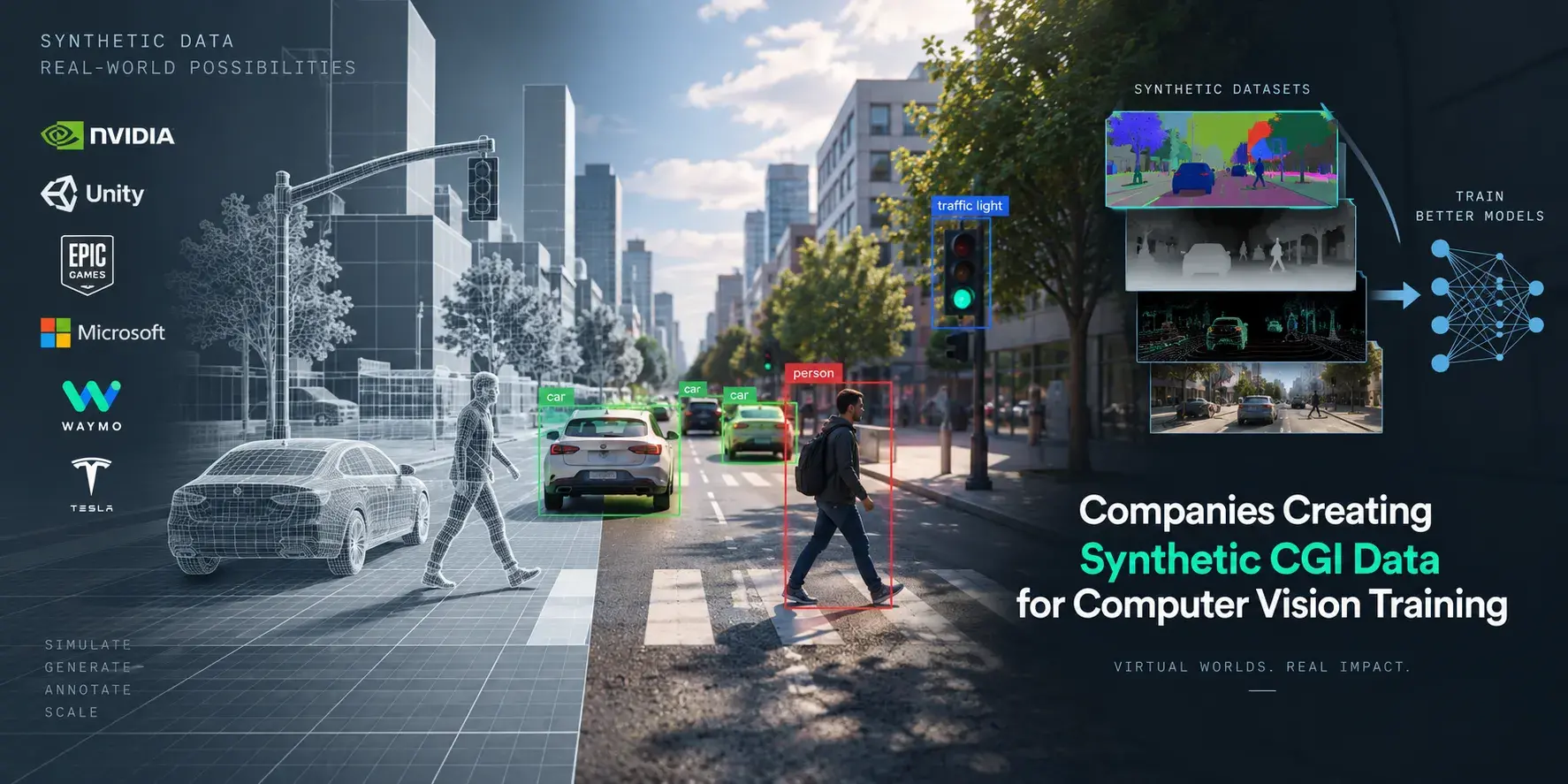
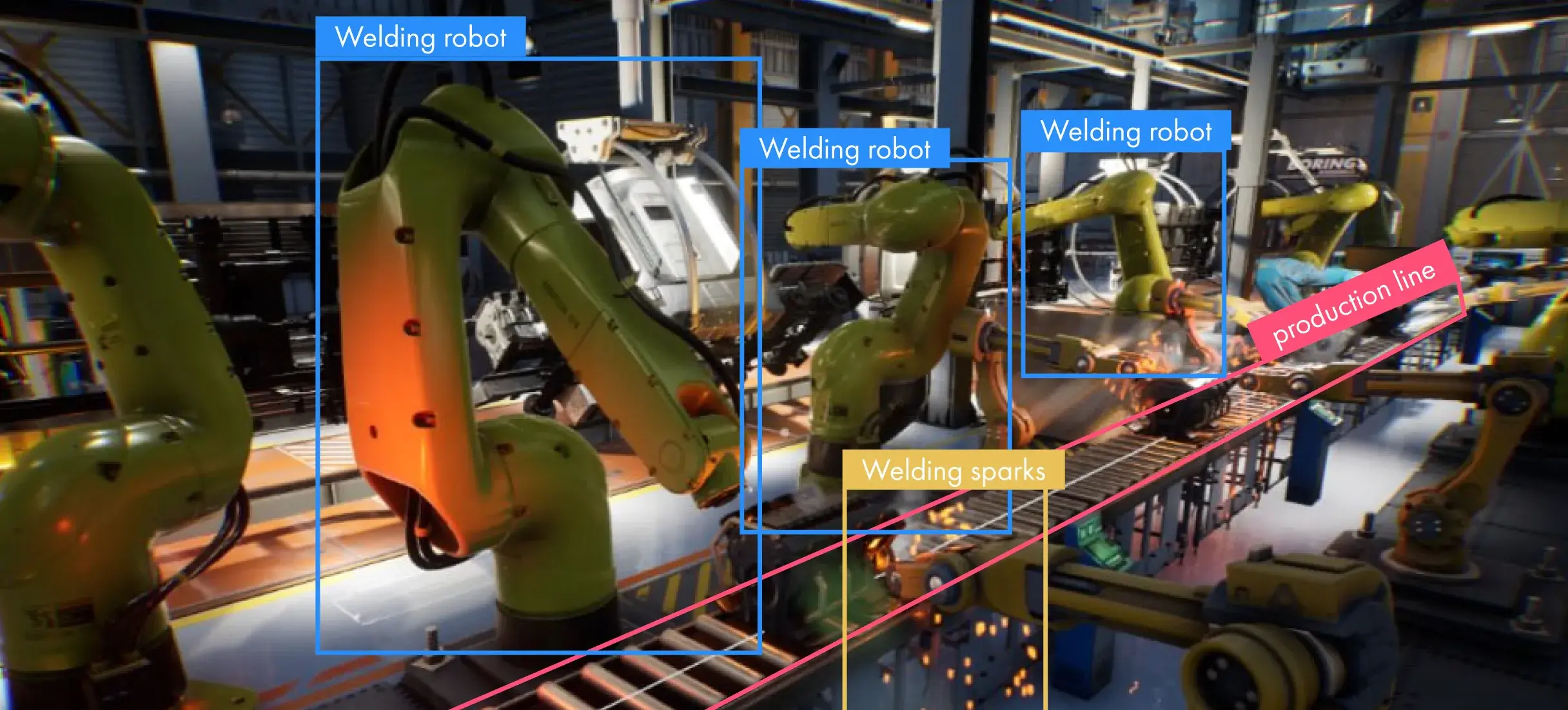
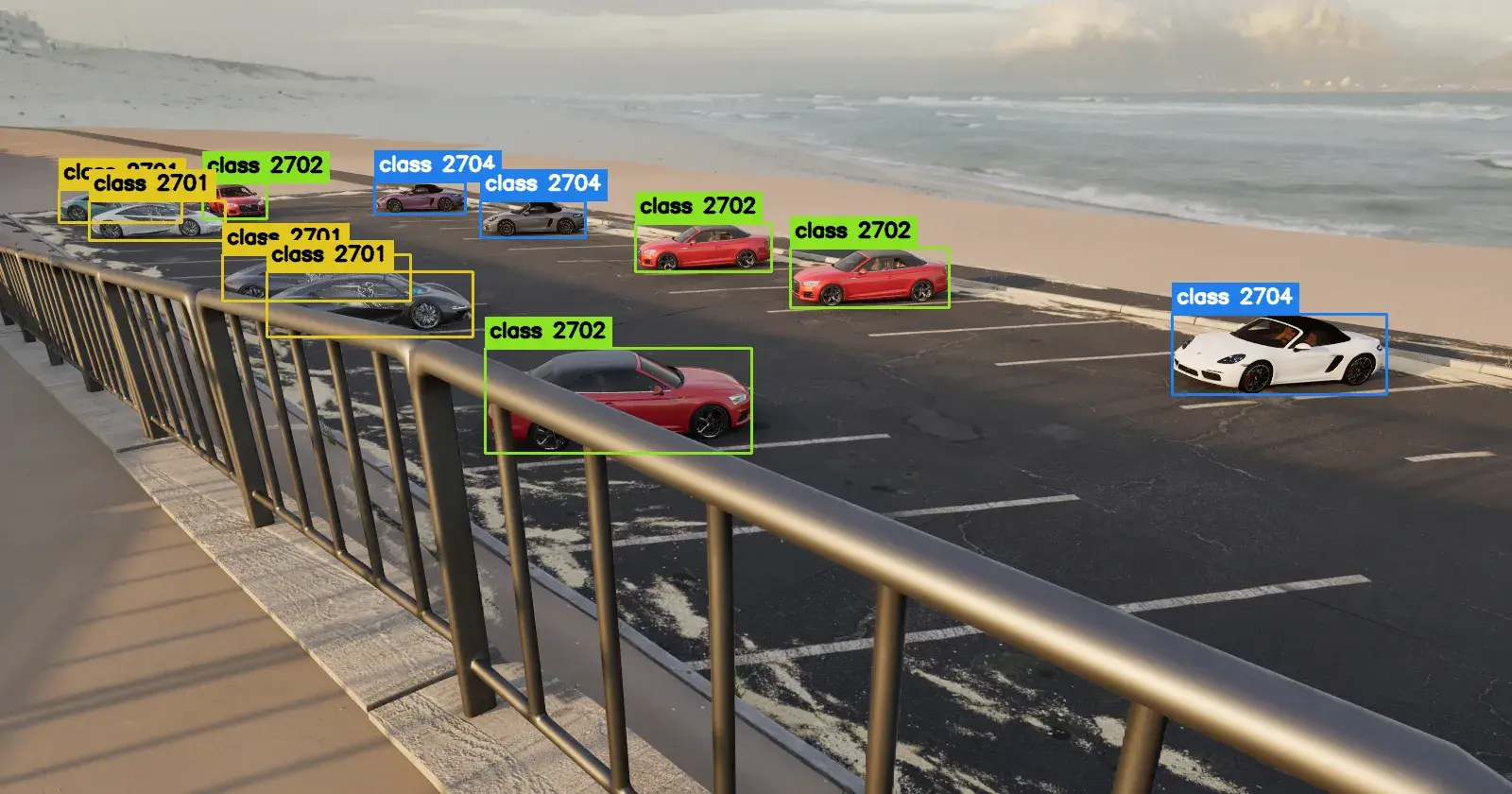
Synthetic data becomes truly valuable when it is treated as an integrated production capability inside a visual data platform, not a one off dataset generator. In this lifecycle, the platform shifts from passively collecting camera footage to actively creating controlled scenarios through 3D rendering, simulation, and procedural rules. It then outputs deterministic ground truth such as masks, depth, keypoints, and 2D or 3D boxes to remove the labeling bottleneck while enforcing schema discipline and dataset versioning. From there, targeted synthesis and domain randomization systematically cover the long tail, including rare defects, unsafe or impractical edge cases, distribution gaps, and bias prone slices, so models learn robust invariances instead of brittle shortcuts. The compounding advantage comes from closing the loop where model failures translate into new generation recipes, enabling hybrid training that combines synthetic breadth with real world grounding, faster iteration, stronger governance and traceability, and privacy friendly scaling. In short, synthetic turns visual data from a scarce resource into an operational system, a repeatable generative data factory that can reliably produce what the model needs next on demand inside the same platform that manages lineage, exports, and continuous improvement.