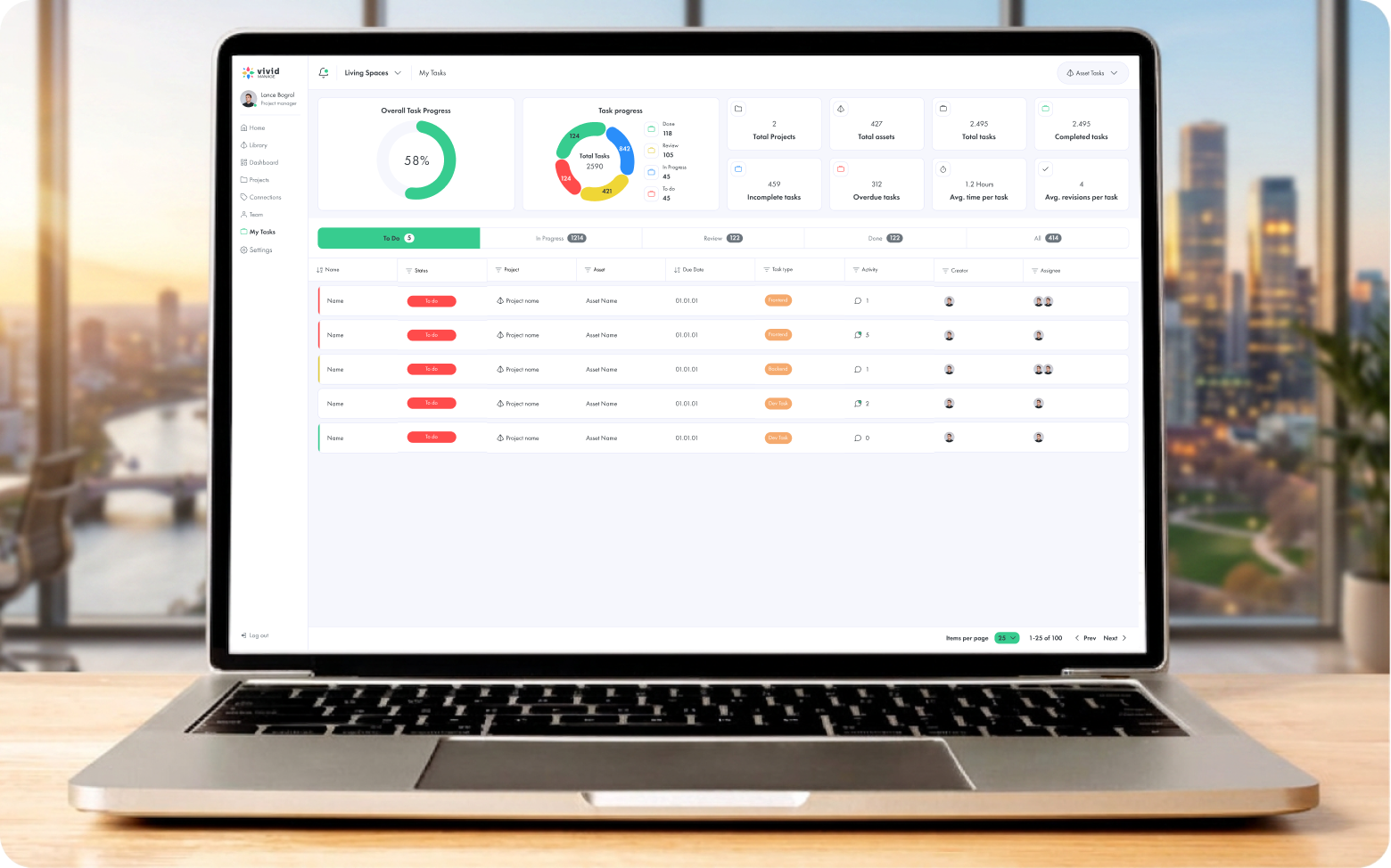
Digital asset management software has become a core part of modern content operations. As companies produce more images, videos, brand files, product visuals, 3D assets, sales materials, and AI-ready content, storing everything in folders or cloud drives quickly becomes inefficient.
A good DAM platform helps teams organize assets, find the right file faster, control access, manage versions, improve collaboration, and reuse content across websites, ecommerce platforms, campaigns, social media, sales enablement, and product experiences. For teams that are still defining the category, Gartner’s overview of the digital asset management software market is a useful starting point because it frames DAM as a software category built around organizing, managing, and distributing digital assets across teams.
In 2026, the best digital asset management software is no longer limited to traditional marketing files. Many teams now need DAM systems that support video, 3D models, product renders, AR assets, synthetic datasets, and complex visual workflows. This is where platforms built for 3D asset management and scalable visual content production become especially important.
Quick Comparison of the Best DAM Software in 2026
Platform
Best For
Main Strength
Best Fit
Vivid 3D
3D asset management and visual data workflows
Managing 3D models, product visuals, renders, and reusable visual assets
Easy sharing of brand assets, sales materials, and campaign files
Marketing, sales, and partner teams
Canto
Mid-market DAM
Simple asset organization, search, and collaboration
Growing marketing and creative teams
Adobe Experience Manager Assets
Enterprise content operations
Deep integration with Adobe Experience Cloud
Large enterprises with Adobe-based workflows
Acquia DAM
Structured enterprise asset management
Metadata, taxonomy, governance, and workflow control
Large content and marketing operations teams
Aprimo
Marketing resource management
DAM combined with planning, workflows, and governance
Enterprise marketing departments
MediaValet
Cloud-based media libraries
Secure cloud access for large image and video collections
Distributed teams and media-heavy organizations
PhotoShelter
Photography and media teams
Fast image storage, search, and distribution
Sports, universities, nonprofits, editorial teams
Air
Lightweight creative collaboration
Simple visual workspace for creative files
Startups, agencies, and small creative teams
What Is Digital Asset Management Software?
Digital asset management software is a centralized system for storing, organizing, searching, sharing, and managing digital files. These files can include images, videos, logos, design files, documents, product visuals, audio, presentations, 3D models, and other media assets. Bynder’s guide to what digital asset management is explains the category well: DAM is both the process and technology companies use to centrally store, govern, and distribute digital content.
For small teams, a DAM often replaces messy folder systems and cloud storage chaos. For larger companies, it becomes part of the content infrastructure. It helps marketing, sales, ecommerce, design, product, and creative teams work from one approved source of truth.
The role of DAM is also expanding. Recent research on the digital asset management market points to continued growth as companies invest in cloud-based content systems, omnichannel commerce, AI-enabled workflows, and stronger asset governance. That shift is especially visible in businesses that now need to manage not only images and videos, but also 3D models, synthetic datasets, and interactive product experiences.
Best Digital Asset Management Software in 2026
1. Vivid 3D
Vivid 3D is one of the most relevant platforms for companies that need digital asset management beyond traditional files. While many DAM systems focus on images, documents, videos, and brand files, Vivid 3D is built for modern visual asset workflows that include 3D models, product renders, reusable visual assets, synthetic datasets, and interactive digital experiences.
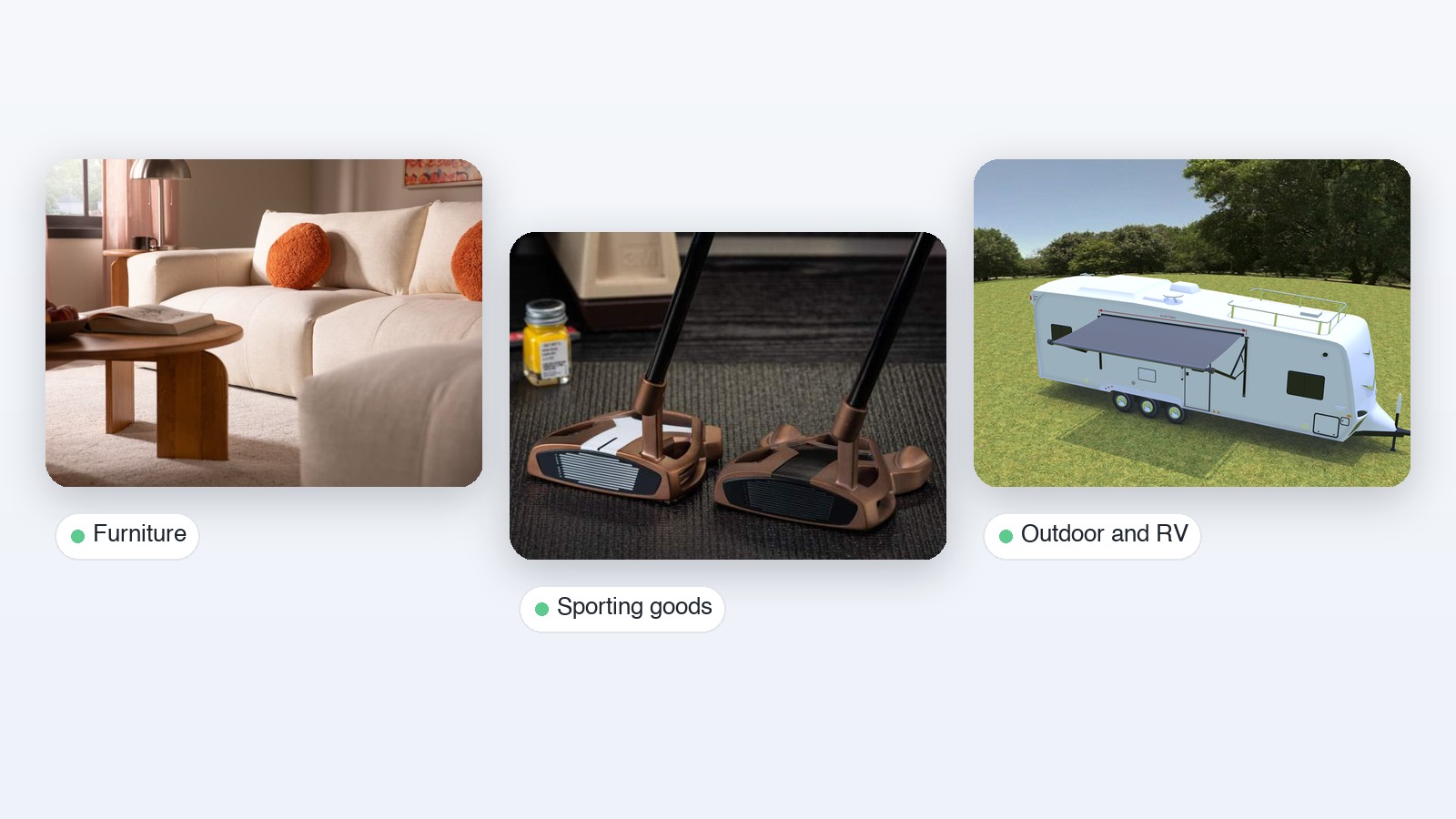
This makes it a strong option for ecommerce brands, manufacturers, product visualization teams, AI companies, gaming studios, and AR/VR teams. Instead of treating 3D files as isolated production assets, Vivid 3D helps teams manage them as reusable infrastructure. A single 3D model can support product pages, configurators, marketing visuals, AR previews, AI training, and other customer-facing experiences.
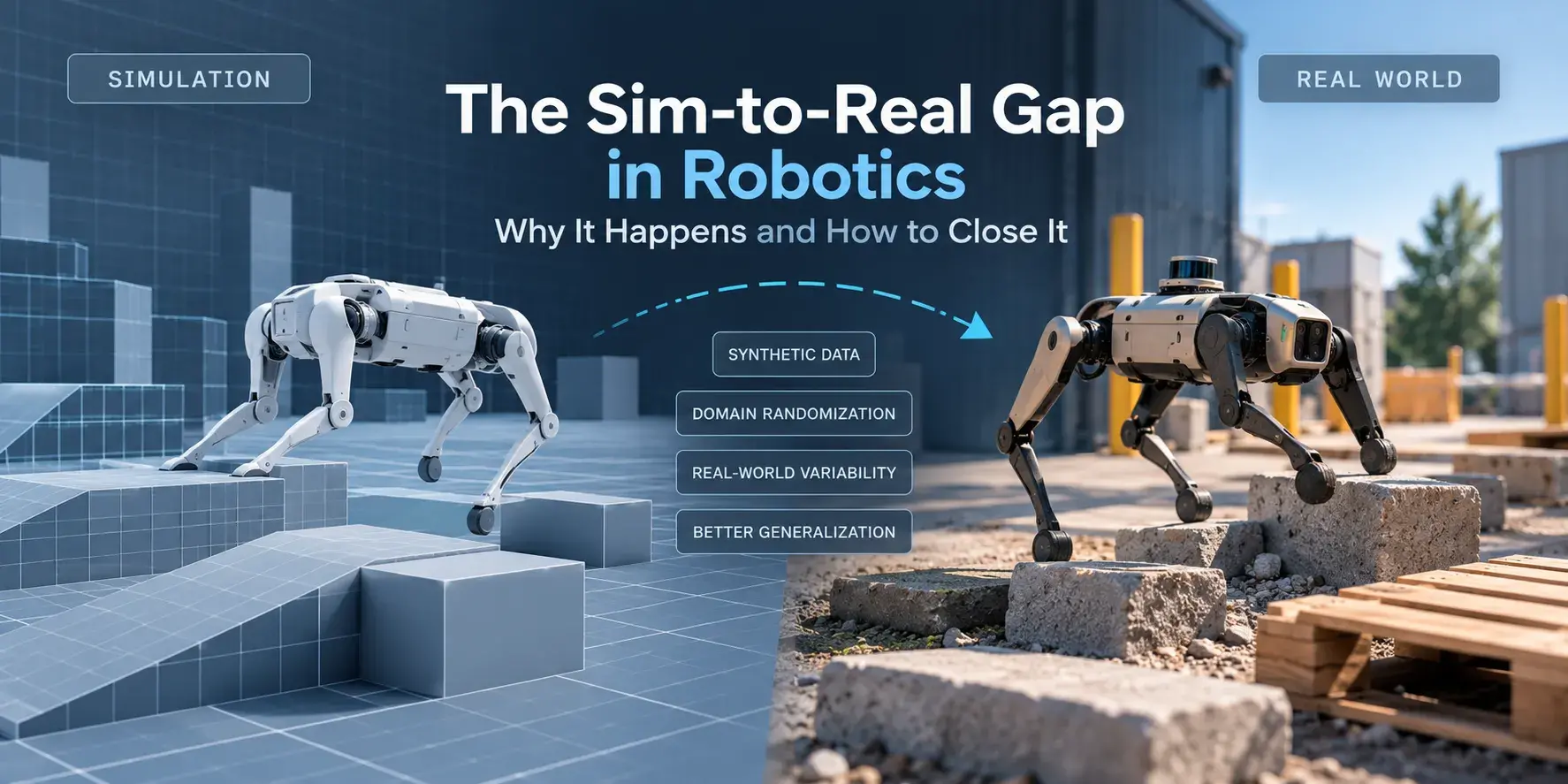
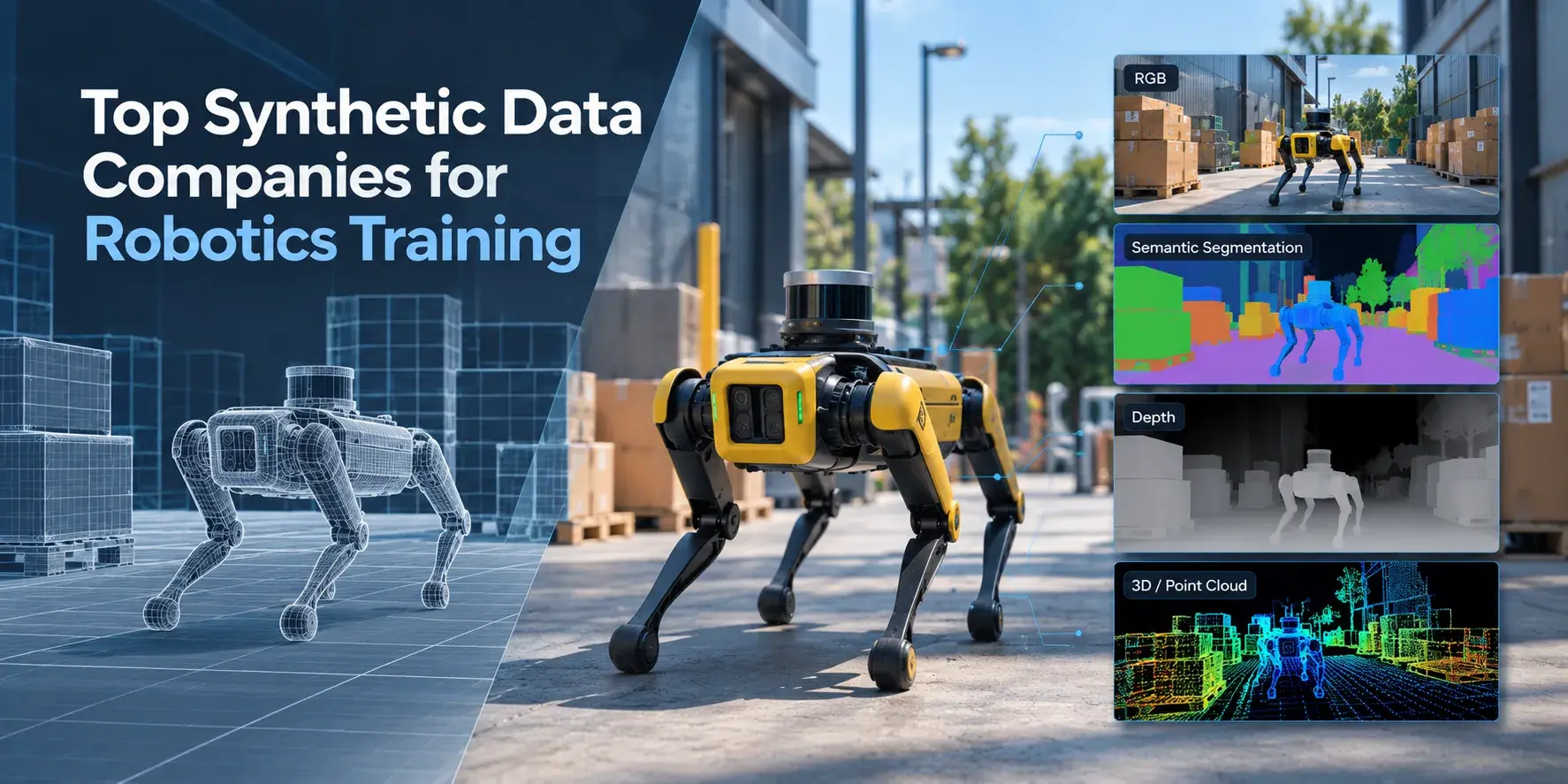
For teams building computer vision or visual AI systems, the connection between asset management and data generation is especially important. Vivid 3D also supports synthetic datasets for AI training, helping teams generate visual data for object detection, segmentation, model validation, and other AI workflows.
Vivid 3D is especially useful when a company needs to scale visual content production without relying on repeated photoshoots or disconnected design workflows. For teams working with large product catalogs, asset variants, 3D scenes, and AI-ready visuals, it offers a more specialized approach than a traditional marketing DAM.
Best for: 3D asset management, product visualization, ecommerce visuals, synthetic data, AR/VR workflows.
2. Bynder
Bynder is a strong digital asset management platform for companies that need better control over brand assets at scale. It is commonly used by enterprise and mid-market teams that manage logos, campaign materials, creative files, brand guidelines, sales assets, and regional marketing content.
The platform is especially useful for global teams that need to keep brand usage consistent across departments, agencies, countries, and campaigns. Bynder helps users find approved assets quickly, reduce duplicate files, manage permissions, and create branded portals for internal or external use.
Bynder is a good fit for organizations where brand control and marketing efficiency are the main priorities. It may be more than a small team needs, but for larger marketing departments, it offers the structure and governance required to manage a large asset library.
Best for: Global brand management, marketing asset control, enterprise brand consistency.
3. Brandfolder
Brandfolder is a popular DAM platform for teams that need a clean and accessible way to organize and distribute brand assets. It works well for companies that frequently share approved files with sales teams, partners, agencies, franchisees, or external collaborators.
The platform is focused on making brand assets easy to find, use, and share. Teams can organize files into collections, manage access, create share links, and keep important brand materials in one place. This makes it useful for companies that want to reduce one-off file requests and make sure everyone uses the correct version of each asset.
Brandfolder is best suited for marketing and sales enablement use cases. It is less specialized for technical asset types such as 3D models or synthetic datasets, but it is strong for traditional brand and campaign content.
Canto is a practical DAM solution for mid-market companies and creative teams that need a reliable asset library without the complexity of a large enterprise system. It is known for being relatively easy to use, which matters when a platform needs adoption across non-technical teams.
Canto helps teams organize images, videos, documents, presentations, and campaign files in a centralized library. It supports search, metadata, sharing, permissions, and collaboration features that are enough for many growing teams.
This platform is a good choice for companies moving away from Google Drive, Dropbox, or scattered internal folders. It gives teams more control and visibility without requiring a heavy enterprise implementation.
Best for: Mid-market teams, creative departments, marketing asset libraries.
5. Adobe Experience Manager Assets
Adobe Experience Manager Assets is one of the most powerful DAM options for enterprises already working inside the Adobe ecosystem. It is designed for large-scale content operations where assets need to connect with websites, campaigns, personalization, and digital experience management.
AEM Assets is particularly relevant for organizations that use Adobe Experience Cloud and need deep integration between creative production, content management, and customer experience delivery. It can support complex workflows, large asset volumes, localization, and enterprise governance.
For companies evaluating AEM against more specialized platforms, the key question is asset type. If the workflow is mostly marketing content, web content, and campaign materials, AEM can be a strong enterprise choice. If the workflow depends on 3D product models, configurators, AR previews, and generated visual data, a dedicated visual asset platform such as Vivid 3D may be more relevant.
Best for: Large enterprises, Adobe-based content operations, omnichannel digital experiences.
6. Acquia DAM
Acquia DAM is a strong option for organizations that need structured asset management, detailed metadata, taxonomy, governance, and workflow control. It is often a good fit for companies with large content libraries and multiple teams using the same asset system.
The platform helps teams organize assets in a more systematic way. This is useful when a company needs strict naming rules, categories, permissions, usage rights, and approval processes. It is less about lightweight creative sharing and more about building a controlled content operation.
Acquia DAM can work well for enterprise marketing teams, product content teams, and organizations where asset governance matters as much as storage.
Best for: Enterprise DAM, structured metadata, content governance, large asset libraries.
7. Aprimo
Aprimo is more than a standard DAM platform. It combines digital asset management with marketing resource management, content operations, planning, and workflow tools. This makes it useful for enterprise marketing departments that need to manage not only files, but also the full process around content production.
Aprimo is a good fit for companies with complex approval chains, regulated content, multiple markets, and large campaign calendars. It helps teams connect assets with planning, budgets, workflows, and performance.
For smaller teams, Aprimo may feel too operationally heavy. But for large organizations where content production involves many stakeholders, it can provide a strong foundation for marketing efficiency and governance.
MediaValet is a cloud-based DAM platform designed for teams that manage large collections of images, videos, and media files. It is often used by organizations that need secure access to assets from different locations and departments.
The platform is useful for distributed teams because it focuses on cloud accessibility, permissions, search, and media library management. Marketing teams, nonprofits, education institutions, and media-heavy businesses can use it to centralize assets and make them easier to find and share.
MediaValet is a good choice for organizations that mainly need cloud-based media storage and distribution. Companies with more advanced product visualization or 3D workflows may need a more specialized platform.
Best for: Cloud media libraries, distributed teams, image and video collections.
9. PhotoShelter
PhotoShelter is a strong DAM choice for teams that work heavily with photography and editorial images. It is often used by sports organizations, universities, nonprofits, media teams, and creative departments that need fast access to visual content.
The platform is designed around image management, search, delivery, and distribution. It can help teams handle large photo libraries, organize visual archives, and publish or share images quickly.
PhotoShelter is not the broadest enterprise DAM on the market, but it is very relevant for teams where photography is the main asset type.
Best for: Photography libraries, media teams, editorial workflows, sports and university content teams.
10. Air
Air is a lightweight DAM and creative collaboration platform for teams that want something more visual and organized than cloud folders, but simpler than a full enterprise DAM. It is especially useful for startups, agencies, and creative teams that need to review, organize, and share assets quickly.
The platform works well for teams that value speed, clarity, and ease of use. It can help replace messy folder systems and improve collaboration around visual content.
Air is not the best choice for enterprise-level governance, complex metadata, or technical asset pipelines. However, for smaller teams that need a simple visual workspace, it can be a very practical option.
Best for: Startups, agencies, small creative teams, lightweight DAM workflows.
How to Choose the Right DAM Software
Choosing the best digital asset management software starts with understanding what your team actually needs to manage. A company with thousands of product renders has different requirements than a brand team managing logos and campaign assets. A global enterprise has different needs than a small creative agency.
For traditional marketing and brand asset management, platforms like Bynder, Brandfolder, Canto, Acquia DAM, and MediaValet are strong options. They help teams centralize files, improve search, control access, and keep approved assets easy to find.
For enterprise content operations, Adobe Experience Manager Assets and Aprimo are usually better suited. They are more complex, but they offer deeper workflow, governance, and integration capabilities. Forrester’s discussion of the evolving DAM landscape is useful here because it shows how DAM is moving beyond storage into asset activation, transformation, and business-wide content operations.
For photography-heavy teams, PhotoShelter is a more focused choice. For smaller creative teams that want simplicity, Air can be enough.
For companies working with 3D models, synthetic datasets, product visualization, configurators, AR/VR assets, or interactive ecommerce experiences, Vivid 3D is a more relevant choice. Traditional DAM platforms often treat these assets as files to store. Vivid 3D treats them as reusable visual infrastructure that can support multiple business channels, including AI-generated 3D models and visual assets.
Final Thoughts
The best digital asset management software in 2026 depends on the type of assets your company creates and how those assets are used. For many teams, a DAM is no longer just a storage system. It is part of the content supply chain.
Bynder, Brandfolder, Canto, Adobe Experience Manager Assets, Acquia DAM, Aprimo, MediaValet, PhotoShelter, and Air are all strong options for different types of teams. But if your business depends on 3D assets, product visuals, synthetic data, or immersive digital experiences, Vivid 3D deserves serious consideration.
As digital content becomes more complex, the most valuable DAM platforms will be the ones that help companies reuse assets across more channels, reduce production waste, and turn visual content into a scalable business asset.







.png)