AI Data, Simulation and Training Engine

Create synthetic data. Train faster. Test in simulation. Deploy with confidence.
Vivid 3D is a visual data platform that generates
human engineered synthetic datasets from 3D scenes
and environment simulations. Get accurate labels,
controllable scenarios, and fast iteration without
endless photo collection or manual annotation.
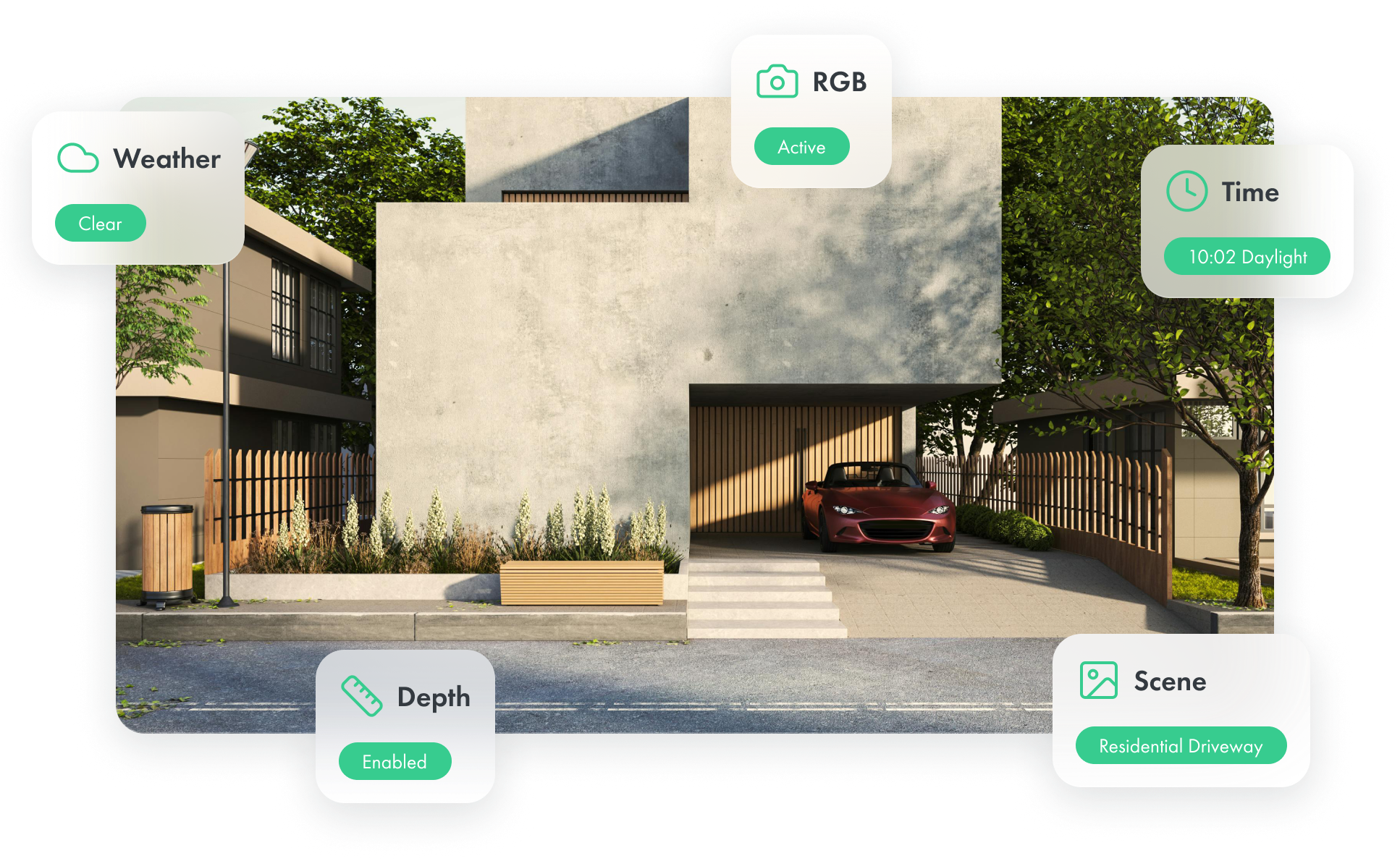
Render
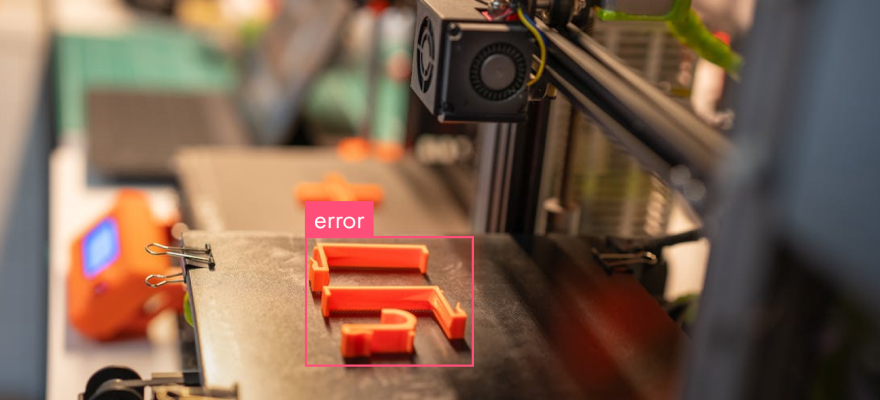
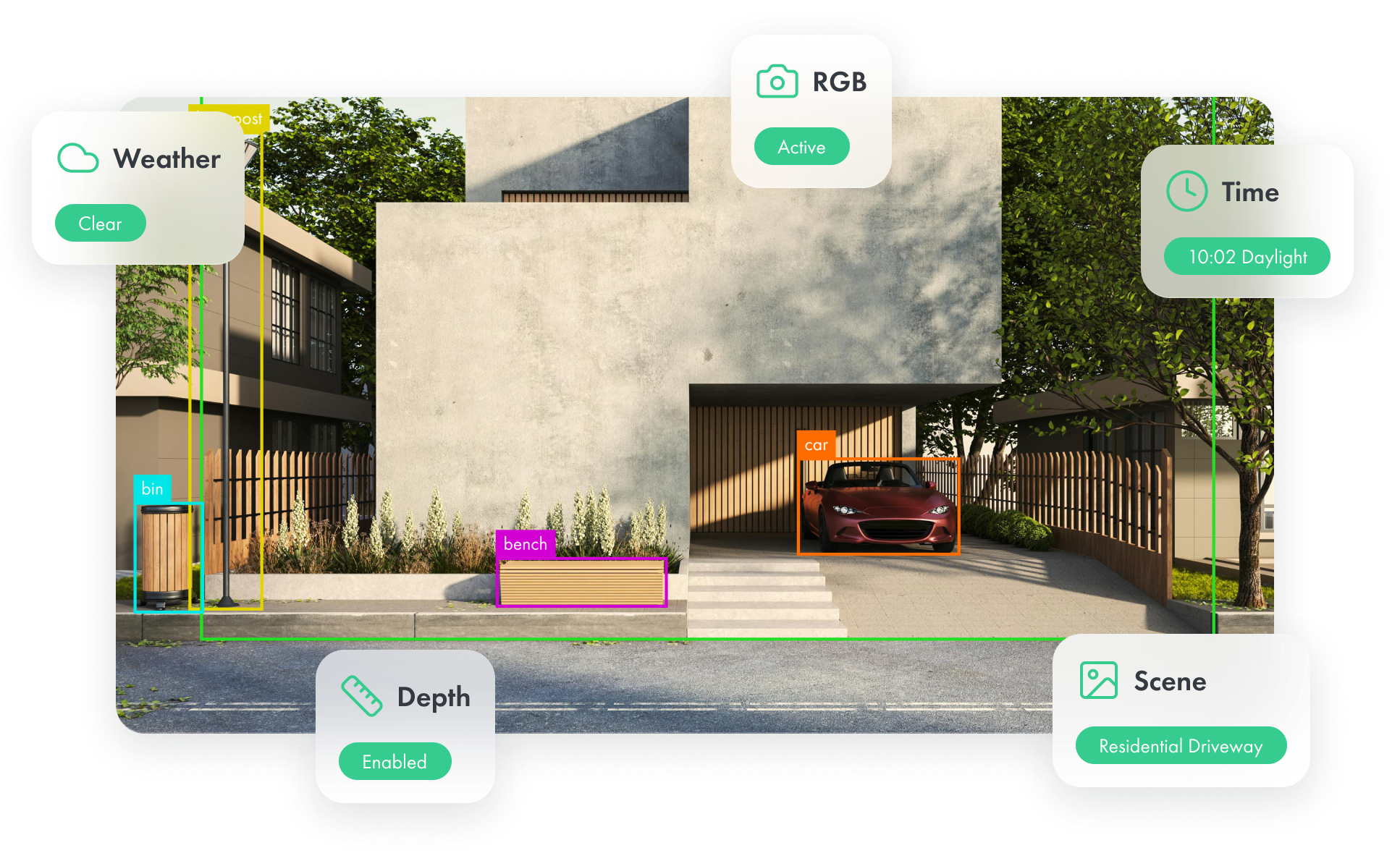
Bounding Boxes
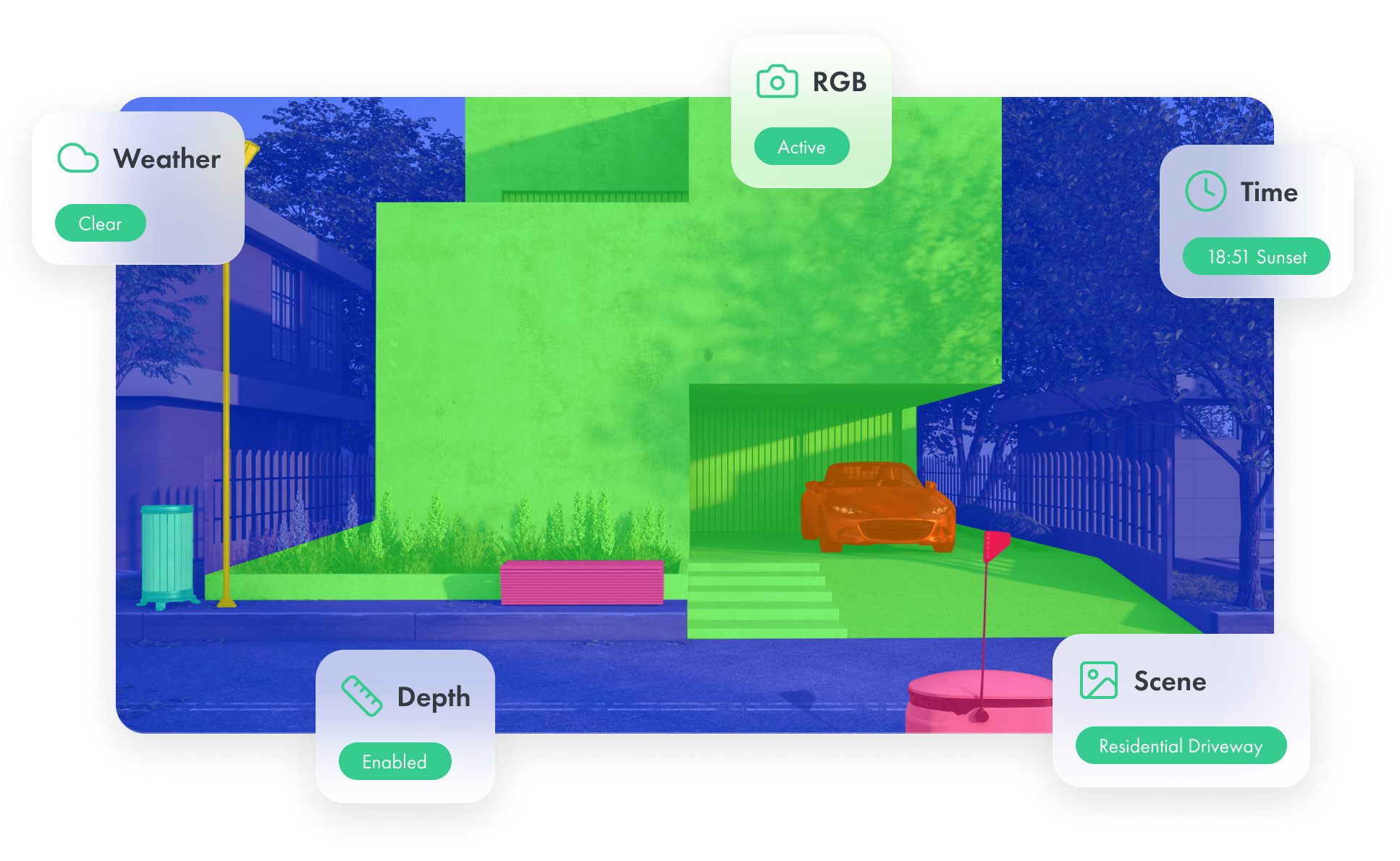
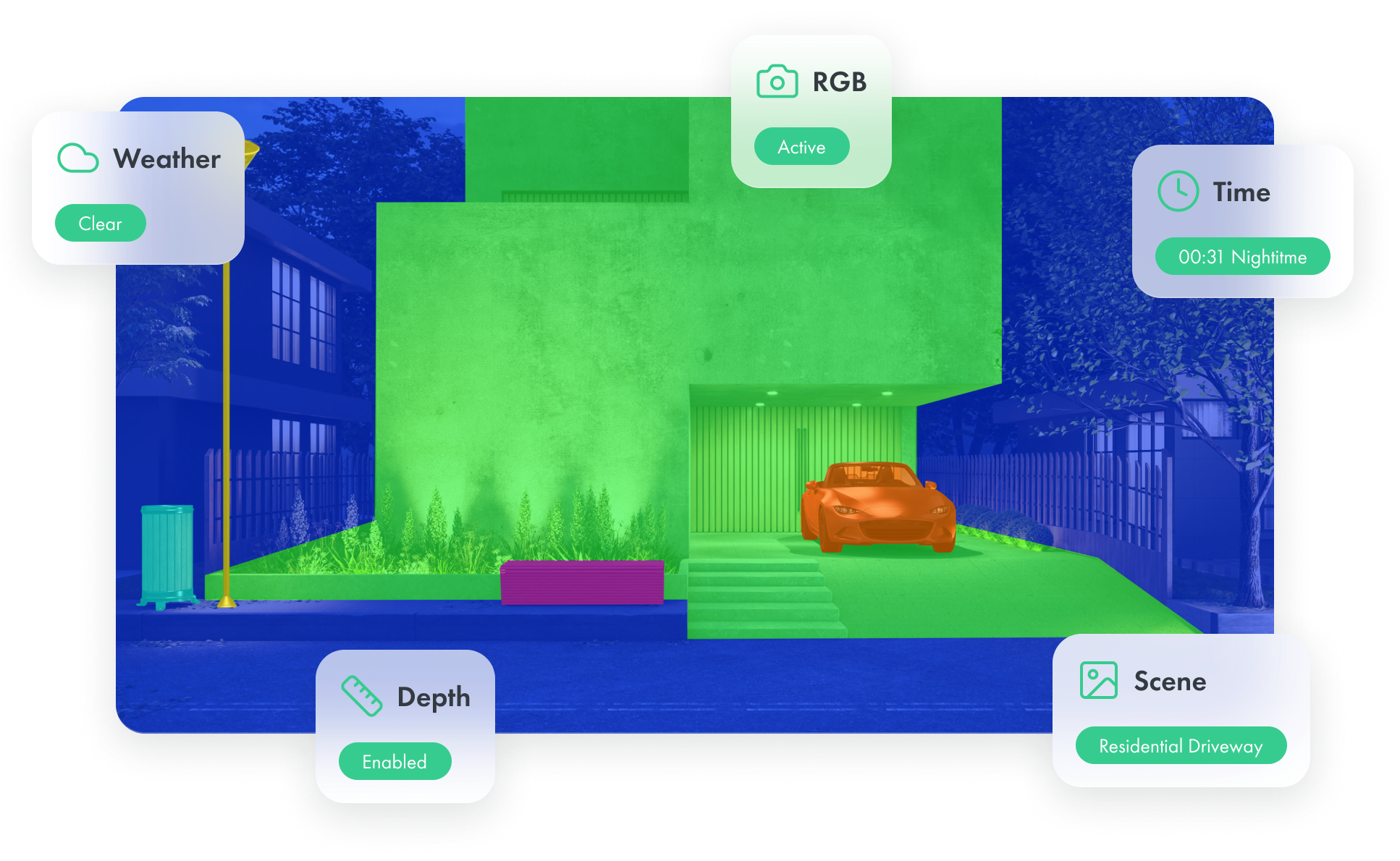
Segmentation
Computer vision teams hit the same wall again and again.
Real world data is slow,
expensive, and biased
Labeling takes time and
errors creep in
Privacy and governance rules add friction and slow delivery
Vivid 3D replaces the bottleneck with controlled, repeatable dataset generation from 3D and simulation.
You can cover the cases you actually need, including rare and messy scenarios.
High coverage testing:
Simulate diverse environments and generate the exact data you need in minutes.
Training Data Services for AI and Computer Vision
Training Data Strategy and Requirements
Define what the model must see. Pick classes, edge cases, sensors, and label types.
Manual Dataset + Synthetic + Augmentation
Start from your real data, find gaps and bias, then generate targeted synthetic patches and augmentations to fix them.
3D Content Creation and Management
Create, manage, and reuse 3D assets in one place so every dataset starts from a clean source of truth.
Synthetic Dataset Design
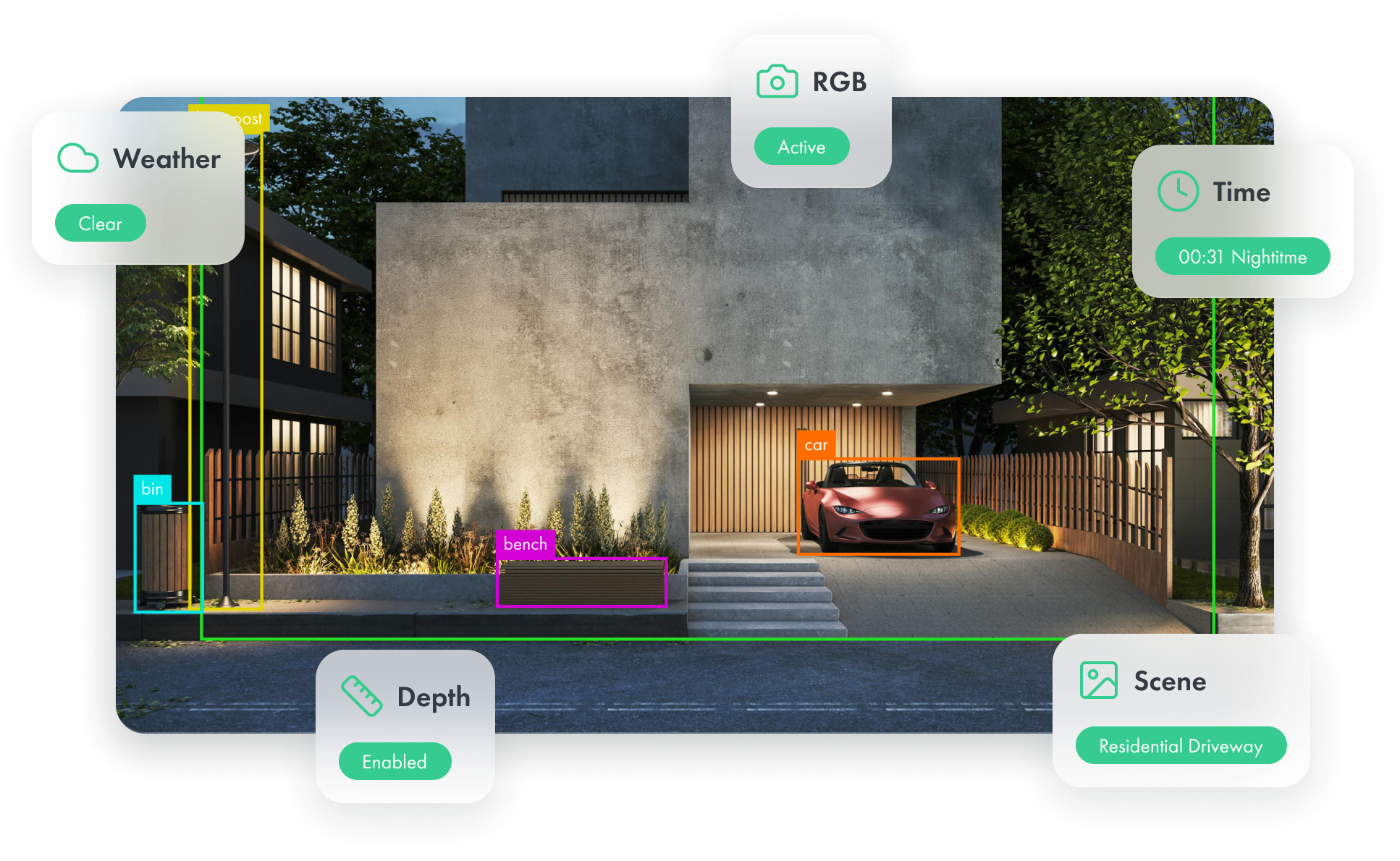
Build scenario packs with variation in lighting, occlusions, clutter, weather, and sensor noise.
Automatic Ground Truth Labels
Generate labels directly from the scene: bounding boxes, masks, keypoints, 6D pose, optical flow. No manual labeling.
Multi Modal Sensor Data
Generate RGB plus depth, LiDAR, IR, and event streams when needed.
Dataset Storage, Versioning, Export
Keep datasets stored and versioned. Export in COCO, KITTI, YOLO, or your custom format.
MLOps Integration by API
Push datasets into your pipeline, run refresh cycles, and keep training and validation aligned.
Train, Test, Deploy
Train on Vivid infrastructure, deploy in Vivid via API as a service, or export to your environment.
Objects
Time
Weather
How It Works
1
Discovery and data requirements
We align on tasks, classes, sensors, and success criteria.
2
Manual dataset review (optional)
We identify gaps, bias, and missing edge cases.
3
3D content prep
We ingest or build the assets and environments you need.
4
Scenario design and simulation
We set up scenario packs and controlled variation.
5
Generation and labeling
Vivid 3D generates the dataset with automatic labels.
6
Quality check and delivery
You receive export ready datasets, plus guidance for iteration.
7
Iteration and support
Need new cases or a new label set? Generate the next version quickly.
Accelerate training and testing
Generate targeted data patches, stress test performance in simulation, and iterate faster than real world collection cycles.
Scale to millions of images,
video frames, or point clouds
No image gathering and no
manual labeling loops
Dataset traceability with stored
and versioned outputs
Privacy safe workflows that
reduce reliance on personal data
Edge case coverage on demand,
including dirty and hard to
capture conditions
Deploy options: access via API as
a service or export to your
environment
Trusted by teams building 3D and AI ready pipelines
What teams build with Vivid 3D
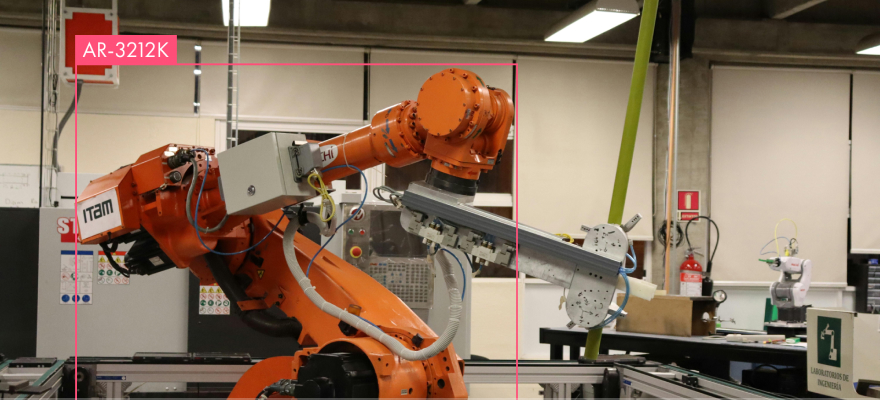
Robotics and logistics
Parcel sorting with robotic arms trained on controlled warehouse variation
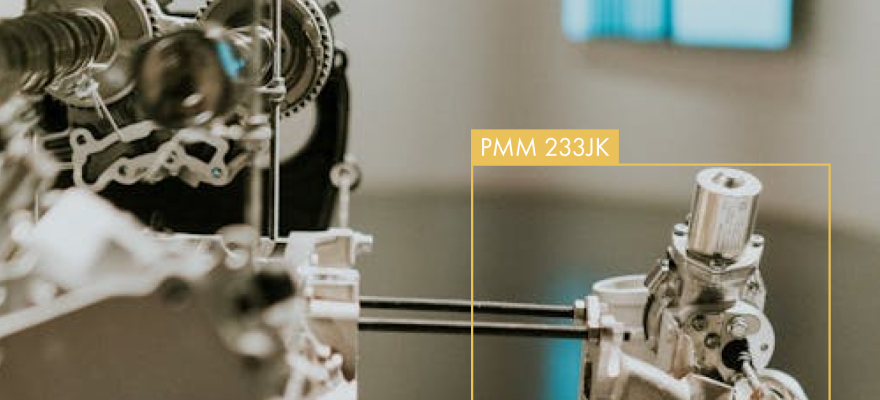
Automotive and industrial parts recognition
One photo to the exact part, trained across reflections, dirt, occlusions, and tight angles
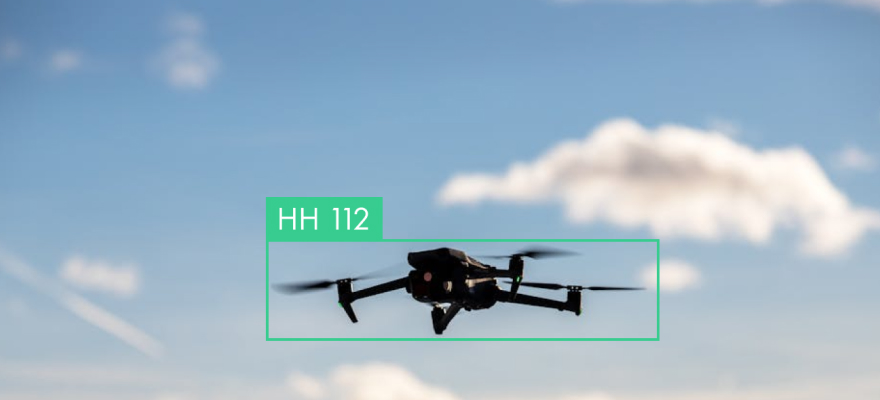
Drones and agriculture analytics
Aerial video datasets with glare, wind blur, motion, and occlusions
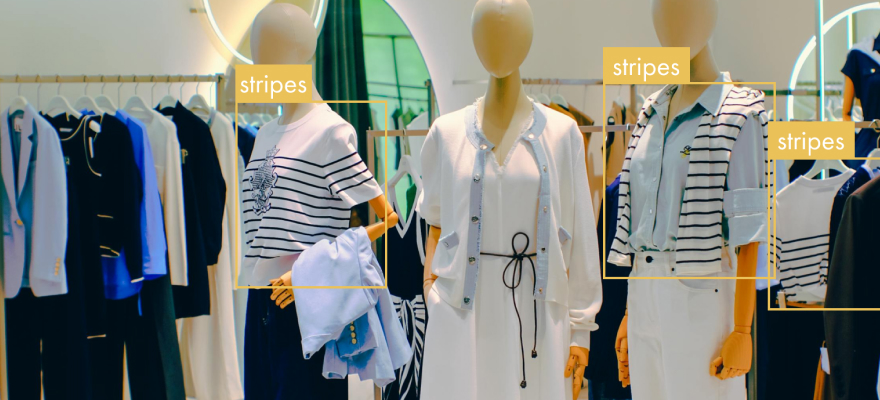
Retail parts and fittings matching
Catalog aware visual search and exact variant matching across finishes and assemblies
Sports and field analytics
Synthetic video datasets when labeled footage is limited or unavailable
Manufacturing quality control
Micro defect detection for scratches, seam shifts, and surface surface flaws
FAQ
Is synthetic data viable for regulated industries where privacy is a concern?
Yes - and it's one of the clearest advantages. Synthetic datasets contain no real people or real environments, which removes most of the data governance friction that slows real-world collection in healthcare, automotive, and industrial settings.
How accurate are auto-generated labels compared to human annotation?
More accurate, and consistently so. Labels are computed directly from the 3D scene - bounding boxes, masks, pose, depth - so there's no inter-annotator variance, no fatigue errors, and no degradation as dataset size grows.
We already have real labeled data. Does synthetic data still add value?
Yes - especially for the cases your real data doesn't cover. Most production failures come from edge cases, rare classes, and sensor conditions that are underrepresented in collected datasets. Synthetic data fills those gaps without replacing what you already have.
How do you handle the sim-to-real gap?
By matching your actual operating conditions from the start: sensor characteristics, lighting ranges, clutter patterns, motion profiles. Structured domain randomization then ensures the model generalizes across variation rather than overfitting to a narrow synthetic distribution.
Do we need existing 3D assets or CAD models to get started?
No. If you have them, they can be used directly. If not, 3D content is built as part of onboarding and becomes a reusable asset that accelerates every subsequent dataset build.
How long does it take to go from requirements to a usable dataset?
Significantly faster than real-world collection plus annotation. Once scenario packs and labeling rules are defined, generating and regenerating datasets takes hours, not weeks.
What happens when our model fails in production and we need to fix it fast?
With real data, that means new collection plus re-annotation - often weeks. With synthetic data, you identify the failure mode, generate a targeted scenario pack that covers it, retrain, and revalidate. Repeatable test scenarios confirm the fix didn't introduce new regressions.
How does cost compare to a labeling vendor?
Labeling vendors charge per label, and cost scales with complexity - dense scenes, many classes, and rare cases all drive the price up. Synthetic generation has predictable cost because ground truth is automatic.
Does it work with our existing training infrastructure?
Yes. Exports in COCO, KITTI, YOLO, and custom schemas. API-based generation supports automated dataset refresh, pipeline integration, and versioning so synthetic datasets stay in sync with your model iterations.
Ready to speed up computer vision
training with better visual data?
Generate a sample dataset and see how quickly you can iterate.