Configuration Errors Are Expensive
01
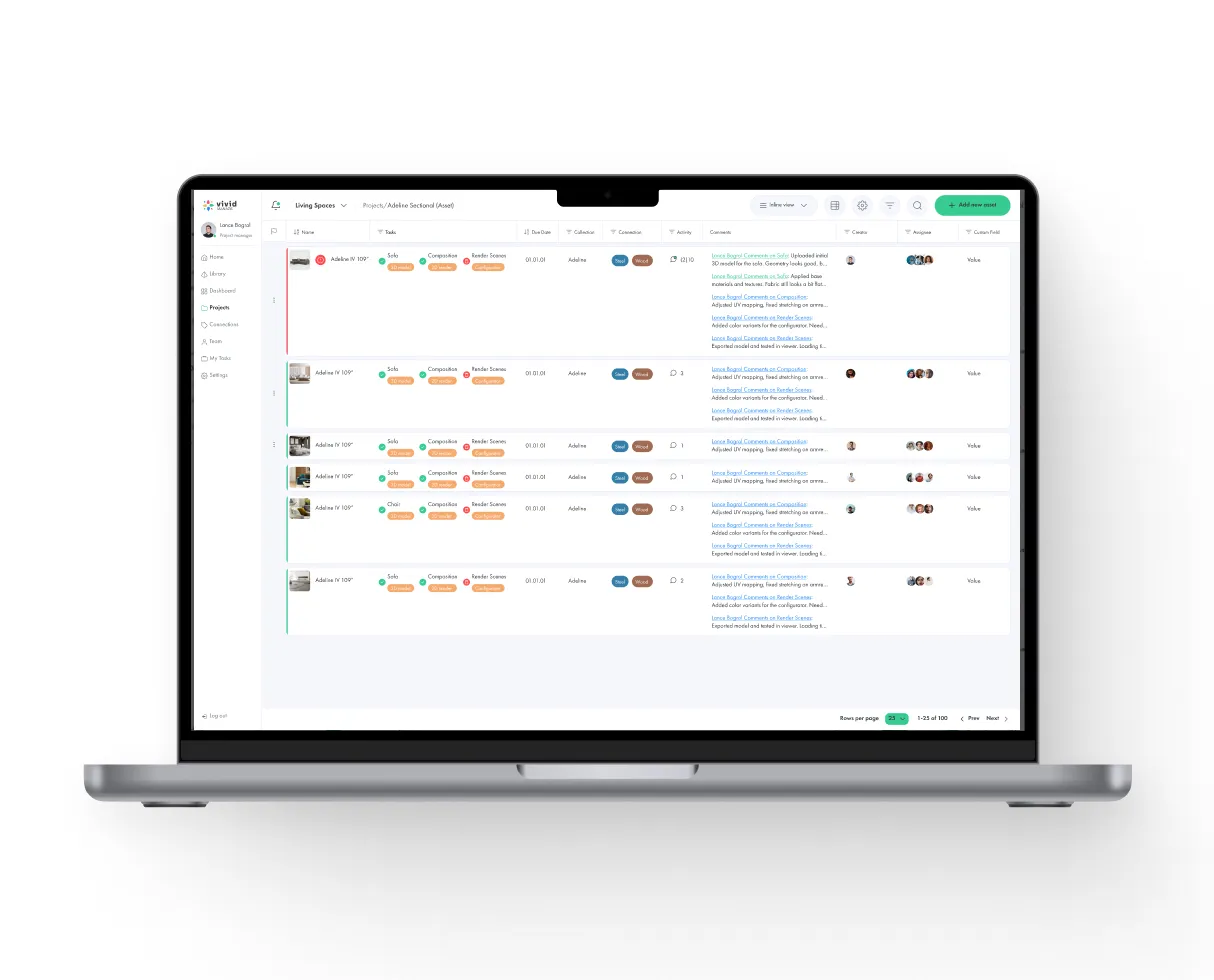
Engineered products with hundreds of options generate misspecified orders when sales teams configure manually. Rework and late delivery erode margins.
Variants Explode, Visuals Do Not Keep Up
02
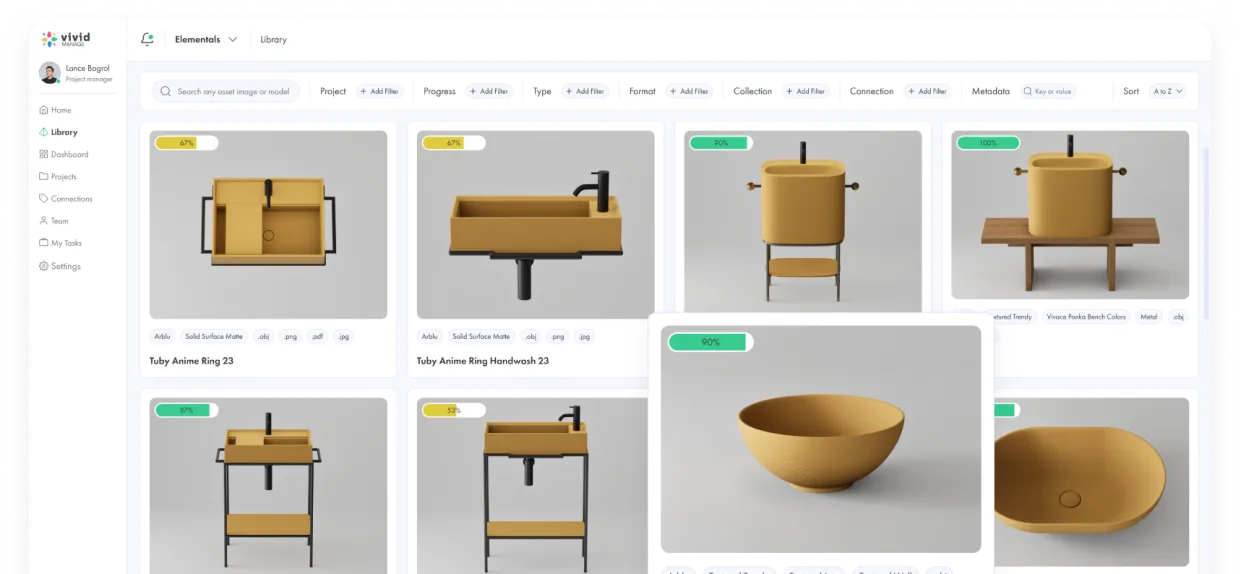
Product lines evolve. New options, new SKUs, updated assemblies. Static photography and CAD exports cannot keep pace. Distributors and dealers work with outdated visuals.
Real-World Inspection Data Is Biased and Slow
03
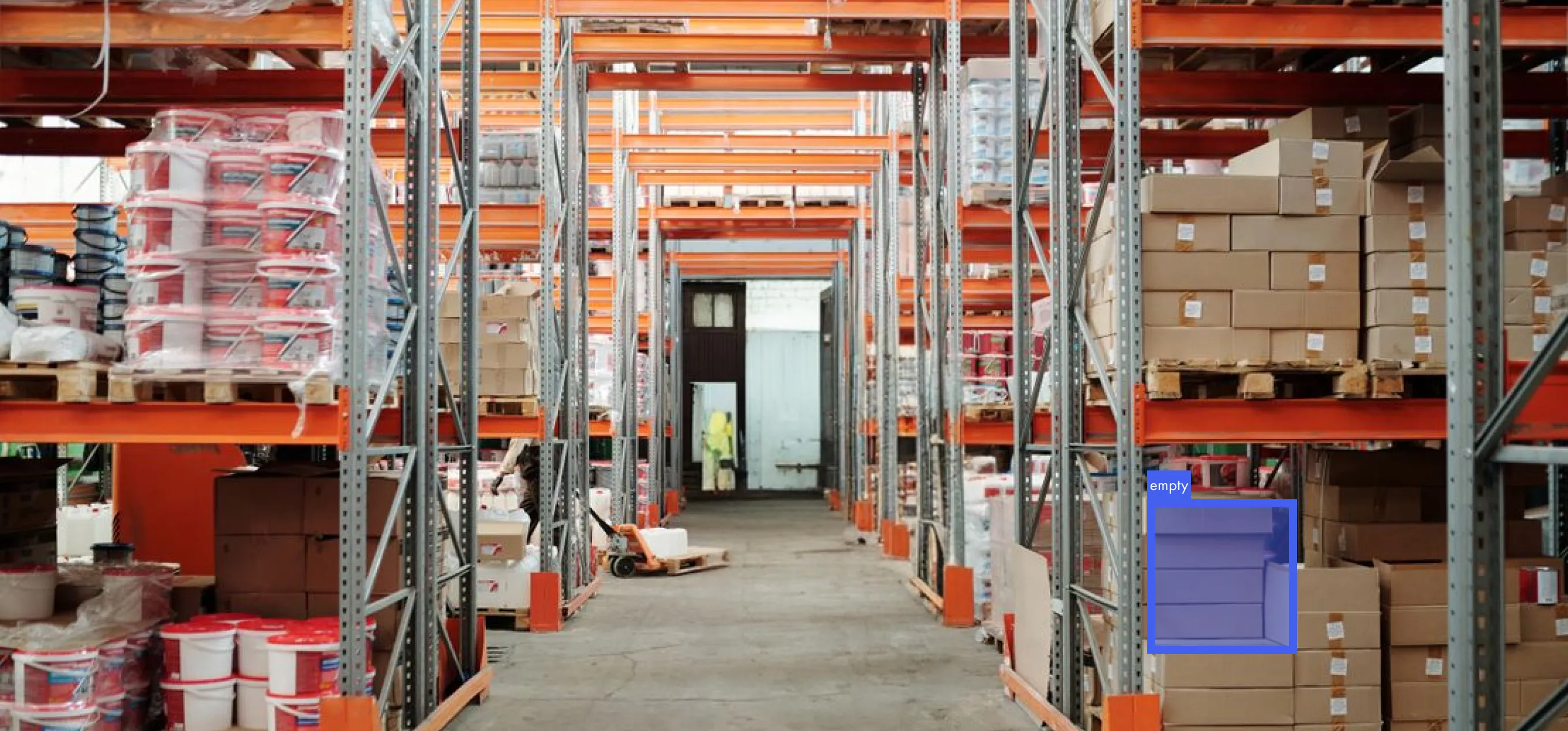
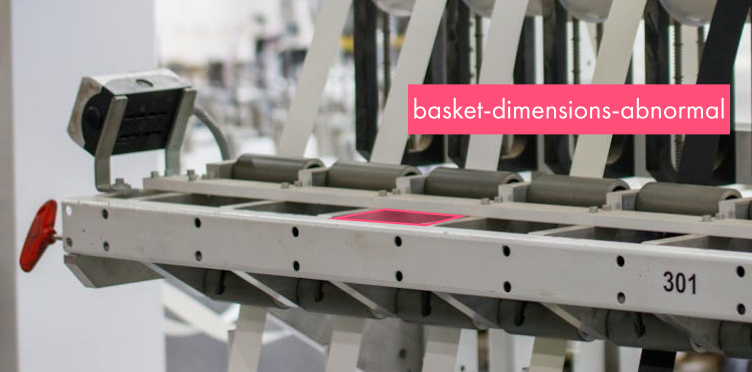
Collecting real factory images for AI training is slow, expensive, and often biased. Rare defects are underrepresented, environments vary by shift, and manual labeling introduces errors.
Defects Escape to the Field
04
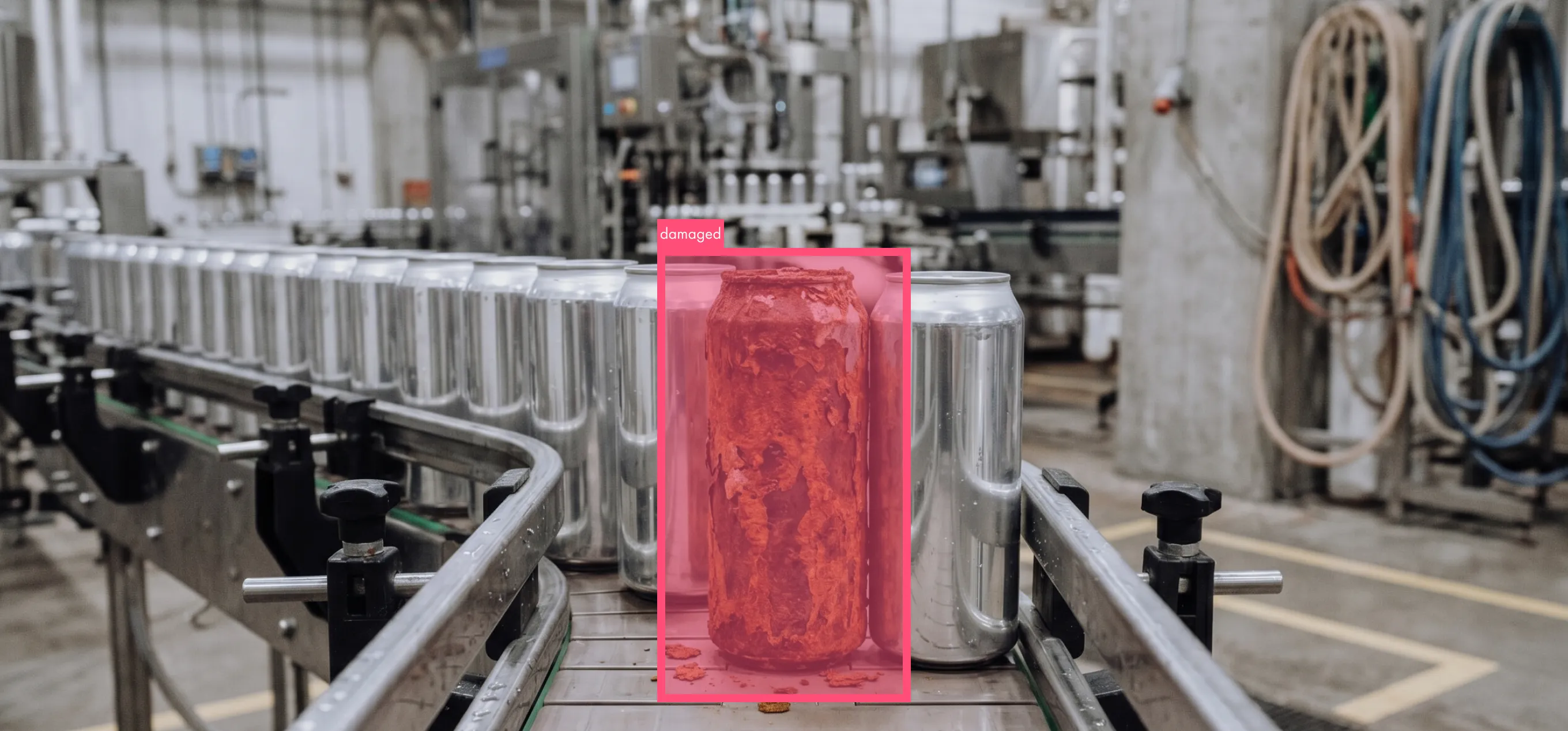
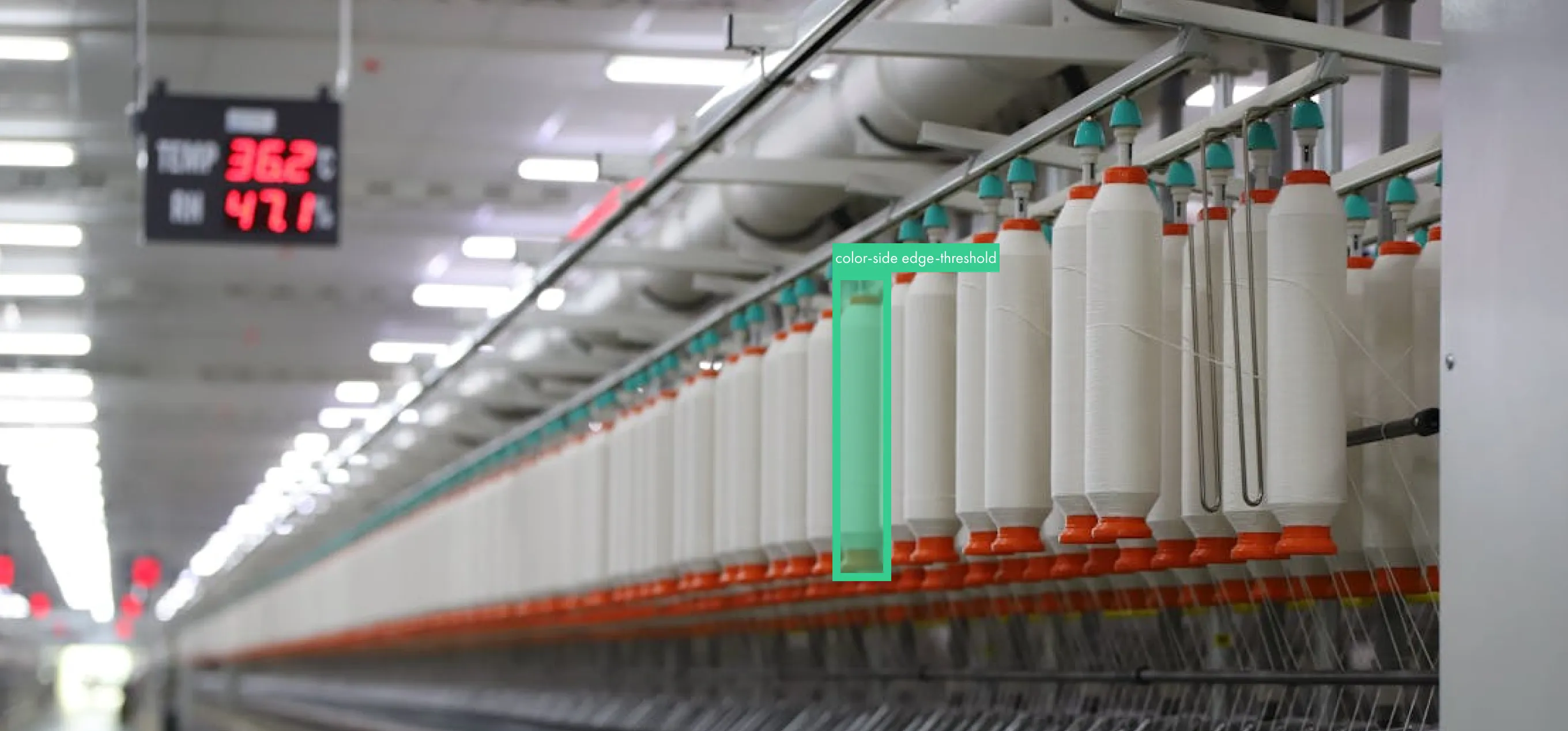
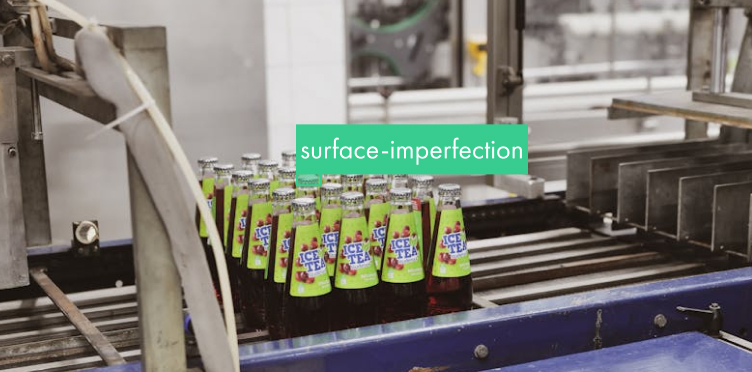
Manual inspection does not scale. Human inspectors miss subtle defects at line speed, are inconsistent across shifts, and generate no audit-ready data for compliance or warranty workflows.
Poor Lighting Kills Vision Projects
05
In industrial environments, poor lighting is one of the most common causes of weak vision performance. Even strong cameras and strong models struggle when contrast is inconsistent, glare hides features, or shadows vary by shift.
Detection Without Action Is Just a Dashboard
06
Vision outputs only create value when they reach the systems that can act. In manufacturing, that often means operational signals feeding PLC logic, HMI displays, MES workflows, quality reporting, and enterprise analytics.